
Quiet enjoyment
Leases & tenancy
Definition
The tenant’s right to use the property without unreasonable interference from the landlord. It is implied in nearly every lease even when unwritten. Entering without notice, cutting utilities, or persistent unannounced visits can all breach it.
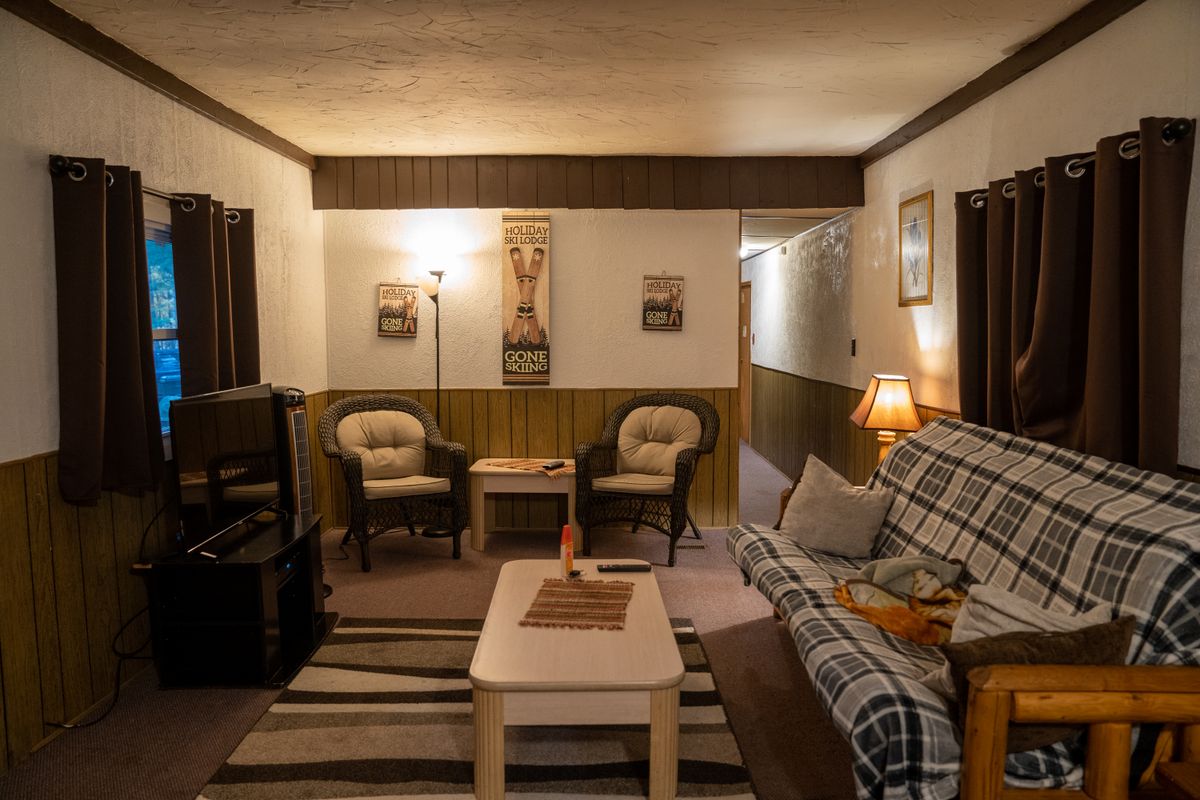
Photo: Marta Wave · Pexels
What it means
Quiet enjoyment is the tenant's right to use the property without unreasonable interference from the landlord or from anyone acting on the landlord's behalf.
The name is misleading in a way that trips people up. It is not primarily about noise. "Quiet" here means undisturbed, and "enjoyment" means use. The covenant of quiet enjoyment is implied into every residential tenancy in the same way the implied warranty of habitability is: automatically, and generally without the ability to contract out of it.
What it protects is possession. Once the tenant has the keys, the property is theirs to occupy for the term. That is the source of the rules on right of entry — you own the building, but for the duration of the lease you do not have free access to it.
Typical breaches are more mundane than dramatic: repeatedly entering without notice, showing the unit to prospective tenants at will, shutting off utilities, starting non-urgent renovation work that makes the unit unusable, removing amenities the lease included, or harassing the tenant over payment.
Noise does come into it, but usually indirectly: a landlord who ignores a tenant whose neighbour in the same building is making the unit unliveable may breach the covenant by inaction, where the lease gives the landlord the power to act.
Why it matters
Quiet enjoyment is the doctrine that turns a series of small landlord behaviours into a legal claim, and it escalates in a specific direction.
At the low end, a breach supports a claim for damages or a rent abatement for the period affected. At the high end, sustained interference that effectively drives the tenant out becomes constructive eviction — the tenant leaves, stops paying, and is released from the lease. On the canonical unit, that is $2,400 a month you can no longer collect, plus the $3,800 turn cost of an unplanned vacancy, plus whatever damages follow.
It also functions as a defence. A tenant sued for nonpayment who can show repeated unannounced entries has both a counterclaim and a reason for a judge to look sceptically at your case. Eviction courts weigh conduct, and a landlord who ignored entry rules loses credibility on everything else.
The most common commercial version of this is showing an occupied unit. The temptation at the end of a tenancy is to start viewings immediately and often. Doing that without notice, or at hours that suit you rather than the tenant, is the textbook breach — and it is one that produces a hostile move-out right when you need cooperation on the move-out inspection.
How it works in practice
The practical rule is simple: treat every entry and every disturbance as something requiring notice, consent, or both.
Entries. Serve the notice your state requires — commonly 24 hours, sometimes 48 — stating the date, a reasonable time window and the purpose. Enter at reasonable hours. Enter for the stated purpose. Emergencies are the exception, and should be documented as emergencies.
Showings. Agree a viewing pattern with the tenant in writing rather than assuming access. Two fixed windows a week, notified in advance, will produce more cooperation than an open-ended right you exercise unpredictably. Where the lease agreement sets showing terms, use them; where it does not, negotiate them.
Works. Non-emergency work that makes part of the unit unusable should be scheduled with the tenant, and if it removes a significant part of the property's use, abated.
| Disturbance | Reasonable response |
|---|---|
| 24-hour entry notice, routine repair | No abatement |
| Kitchen out of use 5 days for planned works | Abate 5 days at 80.00 = 400.00 |
| No hot water 3 days, landlord delay | Abate and expedite the repair |
| Repeated unannounced entries | Stop; confirm the entry policy in writing |
Neighbour conduct. Where another tenant of yours is the source, you generally do have to act: document the complaints, serve a cure or quit notice on the offending tenancy if the lease supports it, and record what you did. Doing nothing is the exposure.
Collections conduct. Pursuing arrears is legitimate; doing it by repeated calls at unreasonable hours, or by turning up unannounced, converts a rent claim into a quiet-enjoyment claim. Serve the notice to quit and use the process.
Common mistakes
- Entering with a key because it was quick. Even for a good reason, without notice, this is the classic breach.
- Open-ended showings. Prospective-tenant viewings at your convenience during someone else's tenancy.
- Utility shut-offs. Never a collection tool; it is a self-help eviction in most states as well as a quiet-enjoyment breach.
- Ignoring a neighbour problem. Inaction can breach the covenant where you had the power to act.
- Scheduling major works around your calendar. Non-urgent disruption needs the tenant's agreement or an abatement.
- Contractors with their own key. Their entry is your entry, and the notice obligation is yours.
How BareBones PM helps
Quiet-enjoyment disputes turn on a pattern of conduct, so the defence is a record showing each entry was noticed, purposeful and reasonable.
BareBones PM records entry notices and scheduled visits against the property and the lease, with the date, the window and the reason — so the sequence of visits over a tenancy is a list rather than a recollection.
Maintenance requests and their resolutions sit on the same record, which is what shows an entry was for a repair the tenant asked for.
Where an abatement is agreed, it posts to the rent ledger as its own line against the affected period rather than as an unexplained short payment — so months later it is clear what was reduced and why.
For how the tenancy paperwork and notices are kept together, see Documents and receipts.


Photos: Luisa Sanfelice, 女子 正真 · Pexels
Related terms
- Right of entryThe landlord’s right to enter the property, normally requiring advance written notice — commonly 24 to 48 hours — and a legitimate purpose such as repairs or a showing. Emergencies are the usual exception. Entering outside these rules invites a quiet enjoyment claim.
- Constructive evictionWhen conditions become so bad the tenant is effectively forced out — no heat for weeks, an unresolved hazard, persistent interference. The tenant may treat the lease as ended and stop paying, even though no formal eviction happened.
- Tenant privacyThe tenant’s right to be left alone in their home, and limits on how their personal information may be used or shared. It underpins entry-notice rules and constrains what you may disclose about a tenant to third parties.
- Lease agreementThe written contract that sets who may occupy a property, for how long, at what rent, and under what rules. It binds both sides — a landlord cannot change the terms mid-term any more than a tenant can, unless the lease itself allows it.