
Lease agreement
Leases & tenancy
Definition
The written contract that sets who may occupy a property, for how long, at what rent, and under what rules. It binds both sides — a landlord cannot change the terms mid-term any more than a tenant can, unless the lease itself allows it.
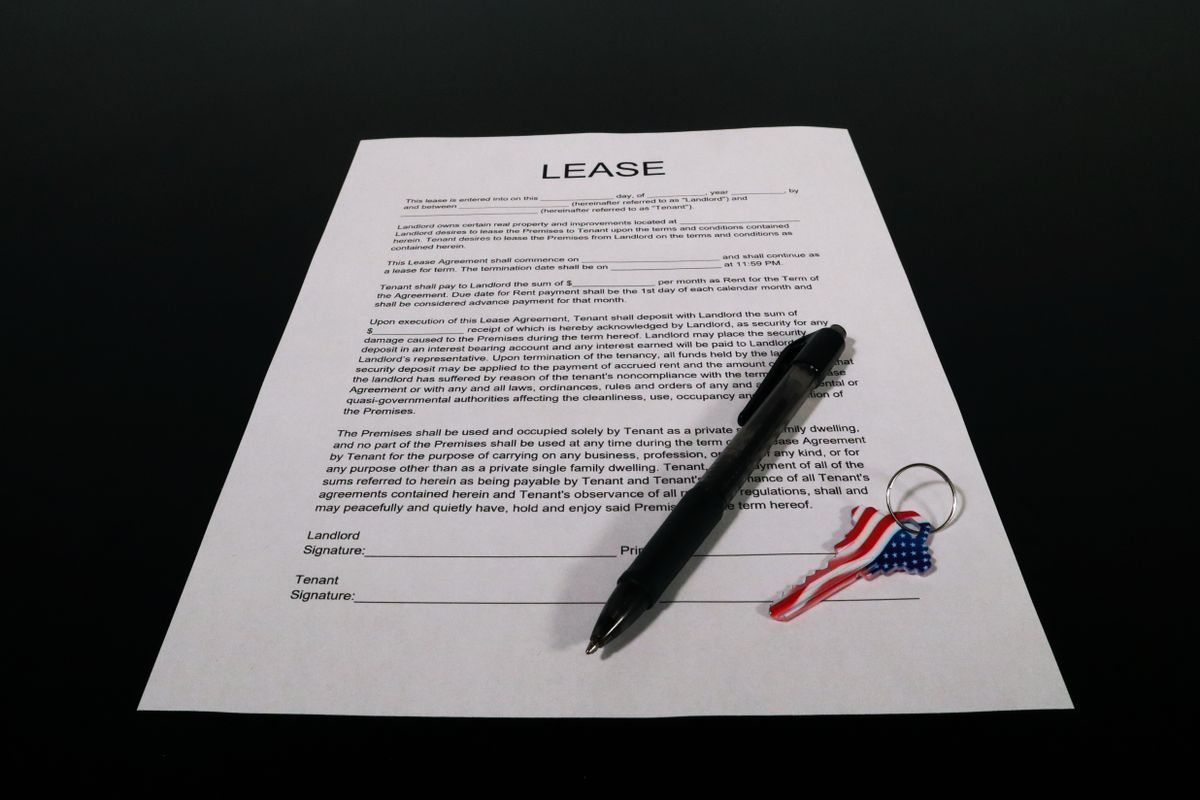
Photo: Artful Homes · Pexels
What it means
A lease agreement is the written contract that transfers possession of a property from you to a tenant for a defined period, at a defined rent, on defined terms.
Two things are being exchanged and it helps to keep them separate. The tenant gets possession — the exclusive right to occupy, which is why you cannot walk in whenever you like once it is signed; see right of entry. You get rent, plus the tenant's promises about how the property will be treated.
Everything else in the document exists to define the edges of those two rights. A workable lease covers: the parties and the premises, the term, the rent amount and due date, the security deposit, who pays which utilities, maintenance responsibilities, entry rules, occupancy limits, pets, alterations, default and remedies, and the notice required to end it.
An oral lease is usually enforceable for a term under a year, and it is still a bad idea. Almost every dispute that ends up in front of a judge turns on a term nobody wrote down.
Some clauses are not yours to write. Waivers of habitability, of the right to sue, or of statutory notice are void in most states, and a lease full of them can weaken the clauses that were valid.
Why it matters
The lease is the only document that governs the whole tenancy, and its gaps are filled by statute — usually in the tenant's favour.
Where the lease is silent on a late fee, you generally cannot charge one. Where it is silent on whether the tenant may sublet, many states default to permitting it with consent that cannot be unreasonably withheld. Where it is silent on who mows the lawn, it is you. Silence is not neutral; it is a decision made for you.
The money follows the same pattern. On the canonical unit at $2,400 a month, an unenforceable late fee clause costs $120 per late month. An ambiguous term end costs a holdover month. A missing utilities clause can quietly transfer several hundred dollars a year of water and refuse charges onto your side of the ledger.
There is also a documentary role. The lease is the reference for the deposit deadline, the rent due date, the notice period, and the renewal mechanics. Every other process in a tenancy quotes it, which is why a lease you cannot find is worse than a mediocre one you can.
How it works in practice
Write it in the order the tenancy happens, and keep the arithmetic explicit.
Term and rent. A twelve-month fixed-term lease beginning the first of the month at $2,400, due on the first, with the daily rate stated as $80.00 — the figure every proration and arrears calculation will use later. State what happens at expiry: automatic conversion to a month-to-month tenancy, automatic renewal, or termination requiring notice.
Money terms. Deposit amount and where it is held, late fee and grace period, returned-payment fee, accepted payment methods, and how partial payments are applied.
Occupancy. Named tenants, authorised occupants, guest limits, and whether liability is joint and several. On a shared unit that one clause decides whether you can pursue any tenant for the whole rent or must chase each for a share.
Property terms. Maintenance split, alterations, pets, insurance requirements, and disclosures required in your state — lead paint for pre-1978 buildings, plus whatever local ordinances add.
Ending it. Notice periods for each side, early-termination mechanics, military clause, subletting and assignment rules, and the process at move-out.
| Lease essentials | Canonical unit |
|---|---|
| Term | 12 months, fixed |
| Rent | 2,400.00 monthly, due the 1st |
| Daily rate for proration | 80.00 |
| Grace period | 5 days |
| Late fee | 120.00 (5%) |
| Security deposit | 2,400.00 |
| Notice to end month-to-month | 30 days |
Sign it before keys change hands, give every adult tenant a copy, and attach every addendum you reference.
Common mistakes
- Using a template from the wrong state. Notice periods, deposit caps and required disclosures are state law. A generic form will contain clauses that are void where you are.
- Leaving the daily rate implicit. Proration and arrears arguments both start here; state it.
- No signed addenda. A pet agreement or parking rule referenced but not attached is hard to enforce.
- Silence on utilities. Whatever the lease does not assign to the tenant stays with you.
- Not documenting delivery. Several states require the tenant receive a copy; keep proof.
- Amending by text message. Changes belong in a lease amendment, signed by everyone who signed the original.
How BareBones PM helps
BareBones PM treats the lease as the record that everything else hangs off. The term dates, rent amount, due date, grace period, late fee and deposit are stored as fields on the lease rather than buried in a PDF, so the ledger, the reminders and the deposit deadline all read from the same source you agreed with the tenant.
The signed document and every addendum attach to that same lease, so the paperwork and the numbers never drift apart.
Renewals, amendments and terminations are recorded against the lease as events, which means the history of a tenancy — what the rent was in year one, when it changed, what notice was given — is retrievable rather than remembered.
For how the paperwork side of this is kept together, see Documents and receipts.
Photos: RDNE Stock project, RDNE Stock project · Pexels
Related terms
- Lease termThe length of time the lease runs, from the start date to the end date. Twelve months is the common default, but any agreed period works. The term determines when rent can be raised and when either side may walk away without penalty.
- Lease addendumA separate document attached to a lease that adds terms without rewriting the original — a pet policy, a pool rule, a lead paint disclosure. It carries the same legal weight as the lease provided both parties sign it.
- Fixed-term leaseA lease with a definite end date. Neither side can normally change the rent or terminate early without cause or a clause allowing it. It gives the landlord predictable income and the tenant a locked rent for the duration.
- Lease violationAny breach of the lease terms — an unauthorized pet, an extra occupant, smoking where it is banned, persistent noise. Most are curable: the tenant is given written notice and a period to put it right before anything escalates.