Implied warranty of habitability
Maintenance & property
Definition
A promise, read into nearly every residential lease whether written or not, that the property will be fit to live in and kept that way. Tenants generally cannot waive it, and breaching it opens remedies such as withholding rent or repair-and-deduct.
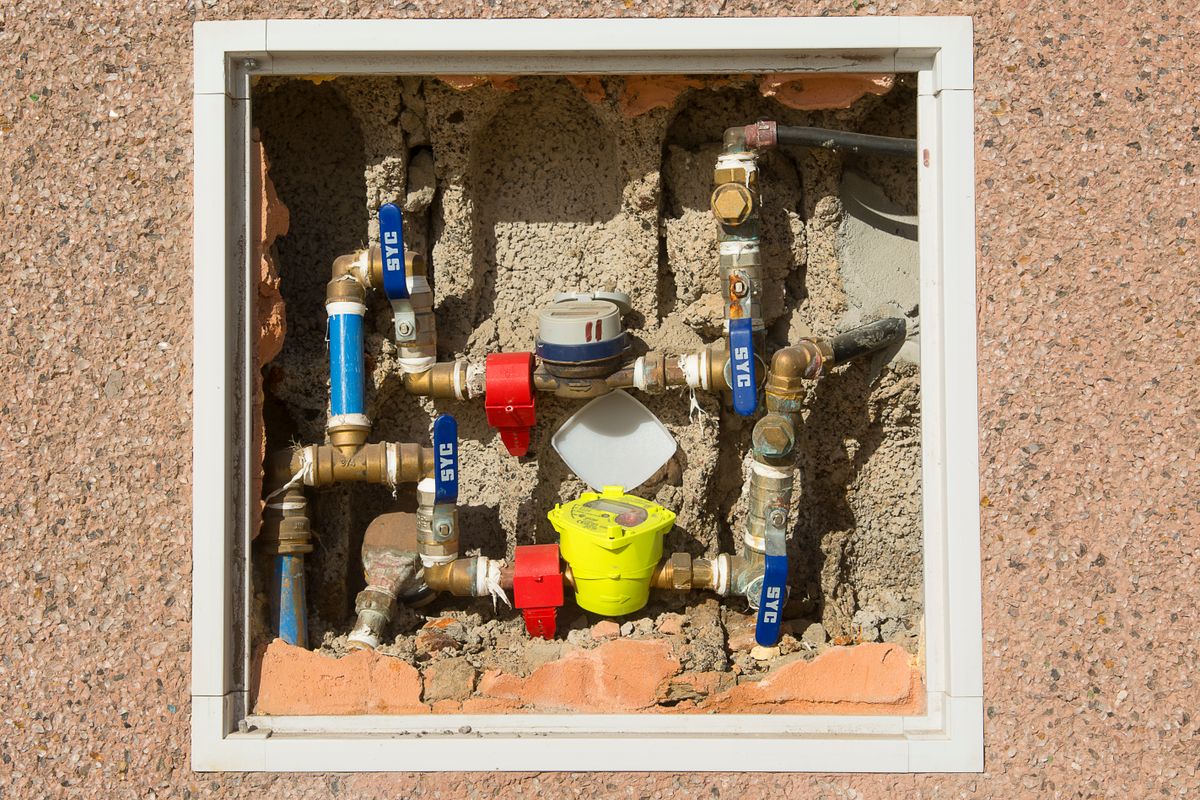
Photo: Jan van der Wolf · Pexels
What it means
The implied warranty of habitability is the legal promise, present in every residential tenancy whether or not anyone wrote it down, that the property is fit to live in and will stay that way.
"Implied" means it comes with the tenancy automatically. You do not agree to it and you cannot contract out of it: a lease clause saying the tenant accepts the property as-is, or waives repairs, is void in almost every state. It attaches to the property, not to the paperwork.
The standard is habitability, not perfection. What is covered is the set of things that make a dwelling liveable, which typically includes:
- Weatherproof structure — roof, walls, windows, doors that lock
- Working plumbing, hot and cold running water, and sewage disposal
- Heat, and in hot climates increasingly cooling
- Safe electrical systems
- Freedom from pest infestation
- Working smoke and carbon-monoxide detectors
- Compliance with applicable housing codes
What is not covered is cosmetic: a dated kitchen, worn but functional carpet, a scuffed wall. Those are normal wear and tear questions, not habitability ones.
The obligation is continuous. A property habitable on move-in day must remain habitable, which is why the practical form of this duty is responsiveness to maintenance requests.
Why it matters
Habitability is the tenant's strongest legal position, and it converts a repair you postponed into a defence against your own rent claim.
The remedies available to a tenant when the warranty is breached are significant and vary by state: repair and deduct, rent withholding into escrow, rent abatement for the period the defect persisted, termination of the lease, or damages. Several of these are available without a court order.
The practical impact shows up in eviction. A landlord filing for nonpayment against a tenant with three unanswered repair requests is not arguing about $4,800 of arrears — they are arguing about whether rent was owed at all. Courts in many states will offset or suspend rent for the period a serious defect went unrepaired, and a few will dismiss the case outright.
There is also an insurance and liability tail. A defect that causes injury — a failed handrail, a dead smoke alarm — moves from a rent dispute into a negligence claim, where the amounts are not capped by the rent.
Against that, the maintenance budget looks small. The canonical unit carries $1,850 a year of repairs, around 6% of the $28,800 rent, and it is a deductible expense in the year paid.
How it works in practice
The warranty is satisfied by a process, and the process is what you would have to prove.
1. Deliver a habitable unit. Before the tenant takes possession, confirm heat, hot water, plumbing, electrical, locks and detectors. Record it in the move-in inspection, which is also your evidence of the condition you delivered.
2. Give the tenant one route to report problems, and say what it is in the lease agreement. Requests that arrive by text at midnight are still notice; a stated channel simply means they land somewhere you will see them.
3. Respond on a timescale matched to severity. No universal statutory clock exists, but the practical standard is well established:
| Severity | Example | Response |
|---|---|---|
| Emergency | No heat in winter, no water, sewage backup, gas leak | Same day |
| Urgent | No hot water, broken exterior lock, failing refrigerator | 24–48 hours |
| Routine | Dripping tap, running toilet, loose handle | Within a week |
| Cosmetic | Scuffed paint, worn but working fixture | At turnover |
4. Document everything. Date reported, date attended, what was done, what it cost, who did it. A work order record is what turns "we handled it" into a defence.
5. Handle access properly. Repairs require entry, and entry requires notice — see right of entry. A tenant who refuses access after being given proper notice weakens their own habitability claim, provided you documented the attempt.
6. If the unit is genuinely uninhabitable, abate the rent for the period rather than waiting to be forced. A voluntary abatement of a few hundred dollars is cheaper than the alternative and reads far better later.
Common mistakes
- Relying on an as-is clause. Void in nearly every state. It does not transfer the duty.
- Deferring the cheap fix. Most habitability claims start as a $200 repair that waited four months. See deferred maintenance.
- No written record. Verbal reports and verbal fixes leave you with nothing to show.
- Retaliating. A notice or rent increase following a complaint invites a retaliatory eviction claim, and the timing is the evidence.
- Blaming the tenant for a code issue. Housing-code compliance is the owner's duty regardless of who caused the condition.
- Treating cosmetic requests as habitability. They are not, and conflating them makes it harder to triage the ones that are.
How BareBones PM helps
Habitability is defended with dates, and dates are what informal maintenance loses first.
BareBones PM logs maintenance requests against the property with the date reported, the date attended and the resolution, so response times are a record rather than a recollection.
Repair costs post to the ledger as expenses on the property that incurred them, which serves two purposes: it is the substantiation for the deduction at tax time, and it is the evidence that a reported defect was actually addressed.
Vendor invoices and photos attach to the same record, so a work order months old still has its paperwork with it.
Because maintenance history and the rent ledger sit on the same property and lease, an arrears question and a repairs question can be answered from the same place — which is the position you want to be in if the two ever meet in a hearing.
For how repair spending is tracked and deducted, see Deductible expenses.

Photos: aamir dukanwala, Rajesh S Balouria · Pexels
Related terms
- HabitabilityThe baseline condition a rental must meet to be lawfully occupied — working heat, water, plumbing, electricity, a sound structure and freedom from serious hazards. It is not about decor; it is about whether the home is fit to live in.
- Repair and deductA tenant remedy in many states allowing them to arrange a repair the landlord failed to make and subtract the cost from rent. Usually capped, and conditional on proper written notice and a reasonable time to act first.
- Rent withholdingA tenant holding back rent until serious defects are fixed, permitted in some states and usually requiring the money be paid into escrow rather than pocketed. Withholding outside the statute is simply non-payment.
- Constructive evictionWhen conditions become so bad the tenant is effectively forced out — no heat for weeks, an unresolved hazard, persistent interference. The tenant may treat the lease as ended and stop paying, even though no formal eviction happened.