Constructive eviction
Legal & compliance
Definition
When conditions become so bad the tenant is effectively forced out — no heat for weeks, an unresolved hazard, persistent interference. The tenant may treat the lease as ended and stop paying, even though no formal eviction happened.
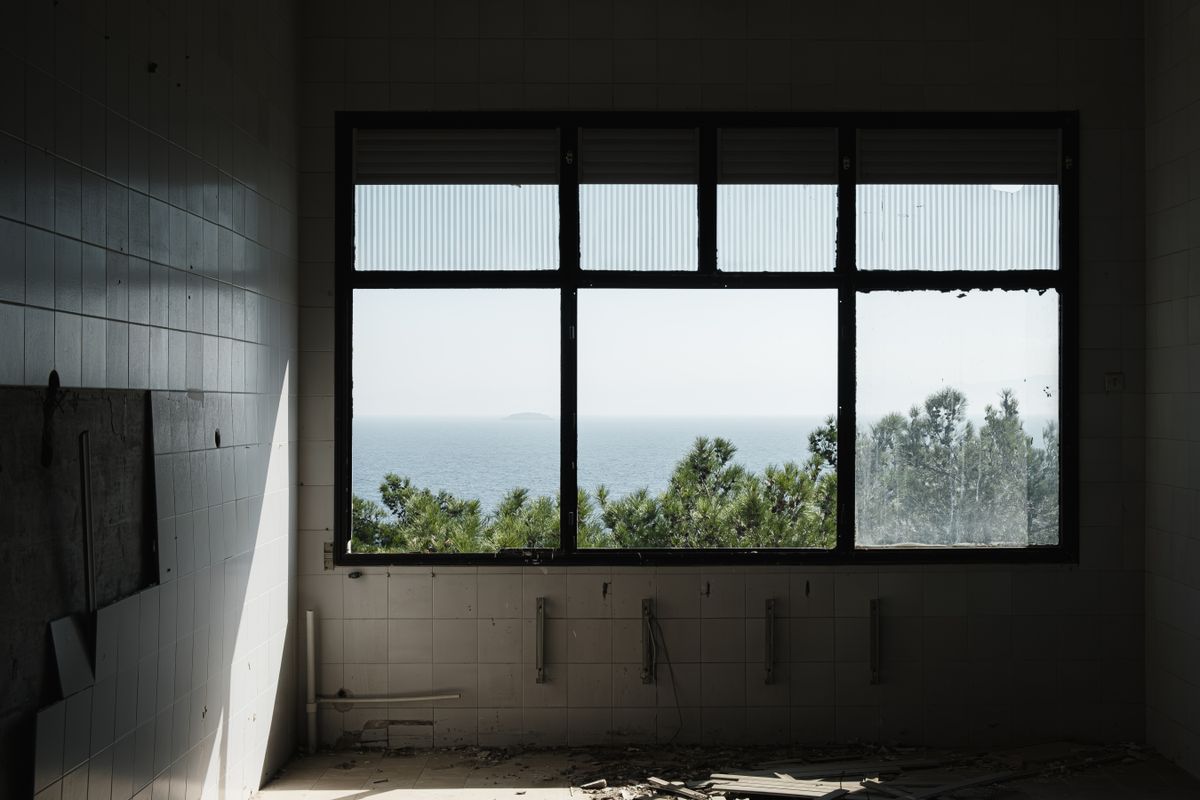
Photo: Burak Argun · Pexels
What it means
Constructive eviction is when conditions at a property become so bad that the tenant is forced to leave, and the law treats that departure as though the landlord had evicted them.
Nobody is removed. There is no notice, no filing, no sheriff. The tenant simply leaves — and the legal consequence is the same as a wrongful eviction: the lease obligation ends, the rent stops being owed, and the tenant may have a damages claim on top.
Courts generally require four things:
A substantial interference with the tenant's use of the property. Usually a breach of the implied warranty of habitability — no heat, no water, sewage, serious pests, an unsafe structure — or a sustained breach of quiet enjoyment, such as repeated unlawful entries or utility shut-offs.
Caused by the landlord, by act or by failure to act on something within your control.
Notice and a reasonable chance to fix it. The tenant must have told you and given you time. This is why constructive eviction is nearly always the end of a documented sequence rather than a surprise.
The tenant actually left, within a reasonable time. A tenant who complains for eight months and stays has generally waived the claim, though they may still have an abatement claim.
Partial constructive eviction exists in some states: where part of the property becomes unusable, the rent is reduced proportionately rather than extinguished.
Why it matters
It is the most expensive outcome of a repair you did not make, because it removes your income and your claim at the same time.
Work it through on the canonical unit. A tenant seven months into a twelve-month lease at $2,400 reports a failed furnace in January. It goes unrepaired for three weeks. They leave, stop paying, and claim constructive eviction.
| Constructive eviction, 5 months remaining | Amount |
|---|---|
| Rent no longer collectable | (12,000.00) |
| Turn cost — work | (1,880.00) |
| Turn cost — 24 days vacant at 80.00 | (1,920.00) |
| Possible abatement or damages claim | uncertain |
| Against a furnace repair of | 1,400.00 |
If the claim succeeds, the arrears you were going to pursue evaporate and your security deposit deductions go with them — the tenant did not breach, you did. Several states add damages, and in some the tenant recovers moving costs.
It is also a defence, not only a claim. A tenant sued for nonpayment or for breaking a lease will raise constructive eviction, and the case then turns entirely on your maintenance records — when the problem was reported, what you did, and how fast.
How it works in practice
Everything here is preventive; once the tenant has gone the argument is already historical.
1. Take reported defects seriously on a severity clock. No heat in winter, no water, sewage backup and gas are same-day problems. A tenant who reports one of those and hears nothing for a week has the beginning of a claim.
2. Answer in writing, even when you cannot fix it immediately. "Engineer booked Thursday 9am, here are two electric heaters in the meantime" is a completely different record from silence. Most constructive eviction claims are built on unanswered messages rather than on the defect itself.
3. Abate voluntarily where the unit is partly unusable. If the kitchen is out for five days, reducing the rent by five days at $80.00 costs $400 and removes the grievance. See rent abatement.
4. Document access. If the tenant will not let the contractor in, the notice you served under right of entry and the refusal are what defeat the claim. Without that record, a delay caused by the tenant looks like a delay caused by you.
5. If they leave, act immediately. Inspect and photograph the unit on the day possession ends, because the condition at that moment is the central fact. Get the repair evidence together. And re-let — the duty of mitigation of damages applies whether or not the claim is good.
6. Do not treat their departure as abandonment without care. The procedures differ, the belongings rules still apply, and mishandling the property left behind adds a second claim to the first.
Common mistakes
- Letting a habitability defect run. Nearly every claim starts as a repair that waited.
- Silence. An unanswered report is worse evidence than a slow repair that was communicated.
- Shutting off utilities. A direct route to both constructive eviction and self-help eviction penalties.
- Sustained entry breaches. A pattern of unannounced entries can support the claim on its own.
- No maintenance record. Verbal reports and verbal fixes leave nothing to rebut with.
- Pursuing arrears without checking the repair history first. If the file shows three unanswered requests, filing is likely to cost more than writing the arrears off.
- Charging the deposit after a valid claim. If the tenant was constructively evicted, the deductions go too.
How BareBones PM helps
This claim is won or lost on a maintenance timeline, and the timeline has to exist before the tenant leaves.
BareBones PM logs each maintenance request against the property with the date reported, the response, the date attended and the resolution — so response time is a recorded fact, and a defect that sat for three weeks is visible while it is still fixable rather than afterwards in a filing.
Vendor invoices, photos and entry notices attach to the same record, which is what shows the repair happened and that access was sought.
Where you abate rent, it posts as its own ledger line against the affected period, so a reduced month reads as a documented concession rather than an unexplained shortfall.
And because repair spending is already categorised on the ledger, the same records that defend the claim substantiate the deduction. See Deductible expenses.
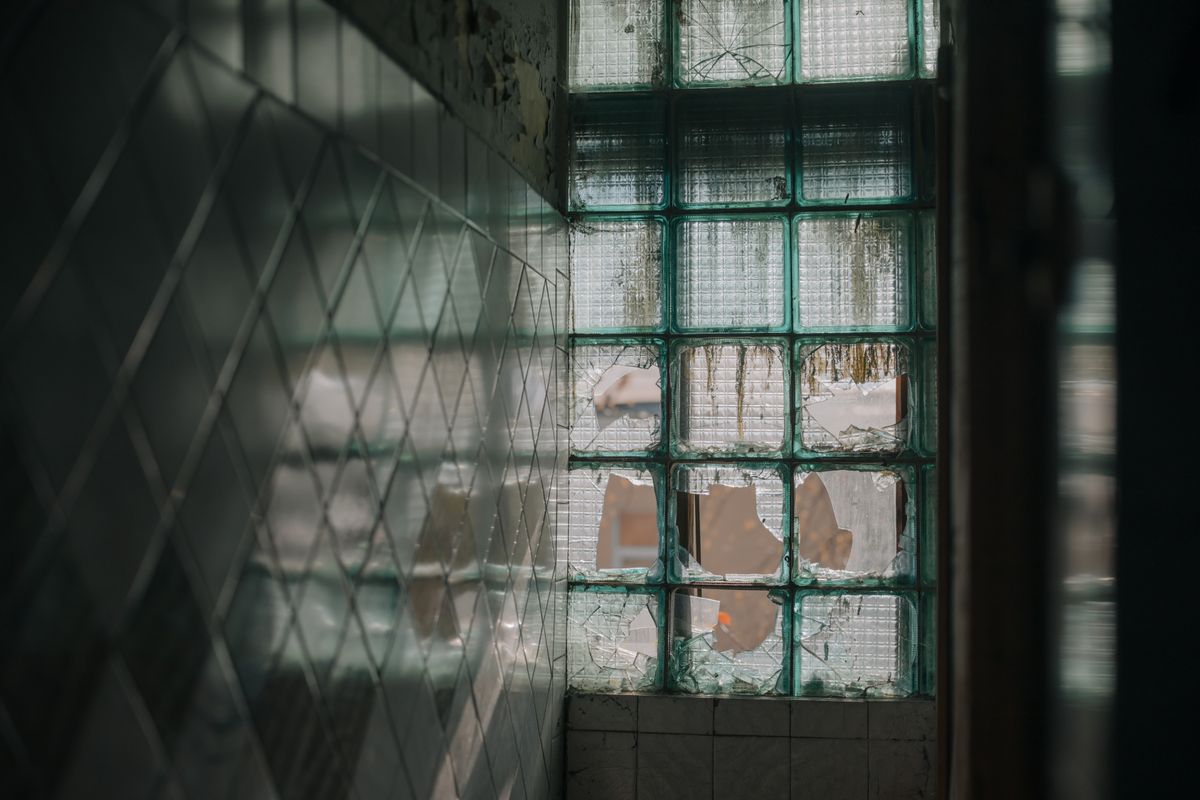
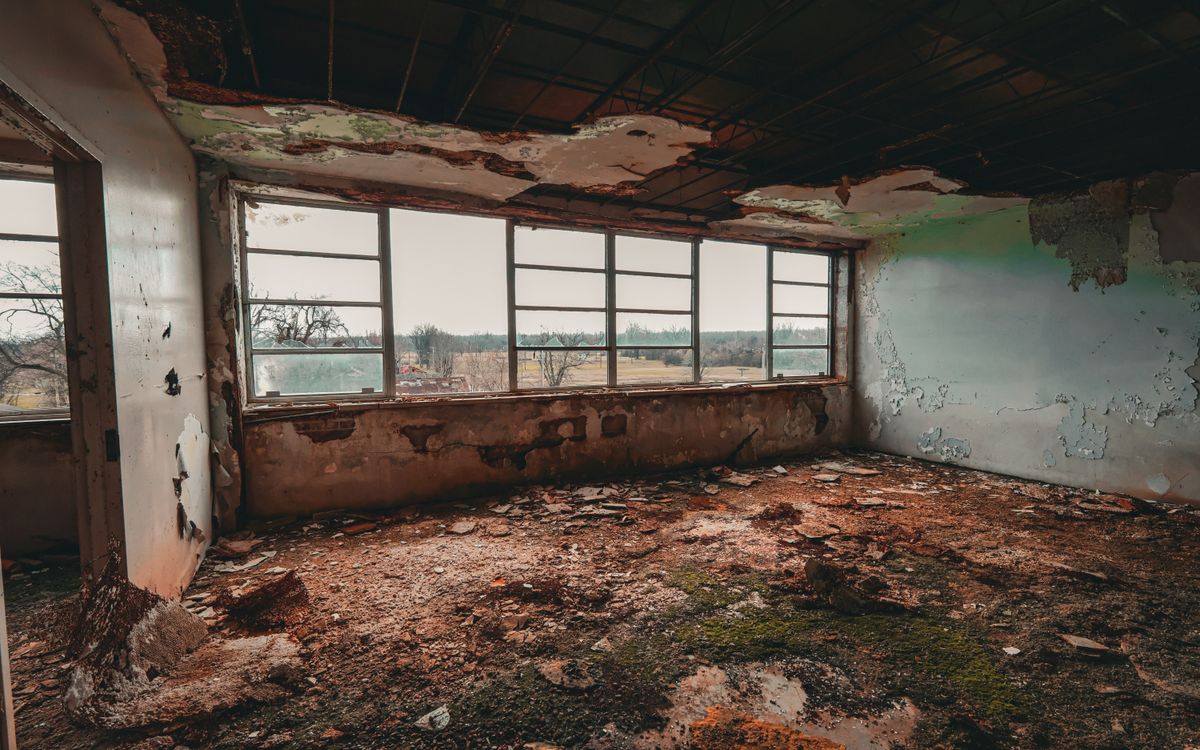
Photos: cottonbro studio, Azvern · Pexels
Related terms
- HabitabilityThe baseline condition a rental must meet to be lawfully occupied — working heat, water, plumbing, electricity, a sound structure and freedom from serious hazards. It is not about decor; it is about whether the home is fit to live in.
- Quiet enjoymentThe tenant’s right to use the property without unreasonable interference from the landlord. It is implied in nearly every lease even when unwritten. Entering without notice, cutting utilities, or persistent unannounced visits can all breach it.
- Implied warranty of habitabilityA promise, read into nearly every residential lease whether written or not, that the property will be fit to live in and kept that way. Tenants generally cannot waive it, and breaching it opens remedies such as withholding rent or repair-and-deduct.
- Rent abatementA reduction in rent for a period when the property was not fully usable — a long outage, major works, a habitability failure. Some states grant it by statute; elsewhere it is negotiated, and a written agreement prevents it becoming a dispute later.