
Normal wear and tear
Maintenance & property
Definition
The deterioration expected from ordinary living — faded paint, worn carpet traffic lanes, minor scuffs. It cannot be deducted from a deposit. The line between this and damage is what most deposit disputes actually turn on.
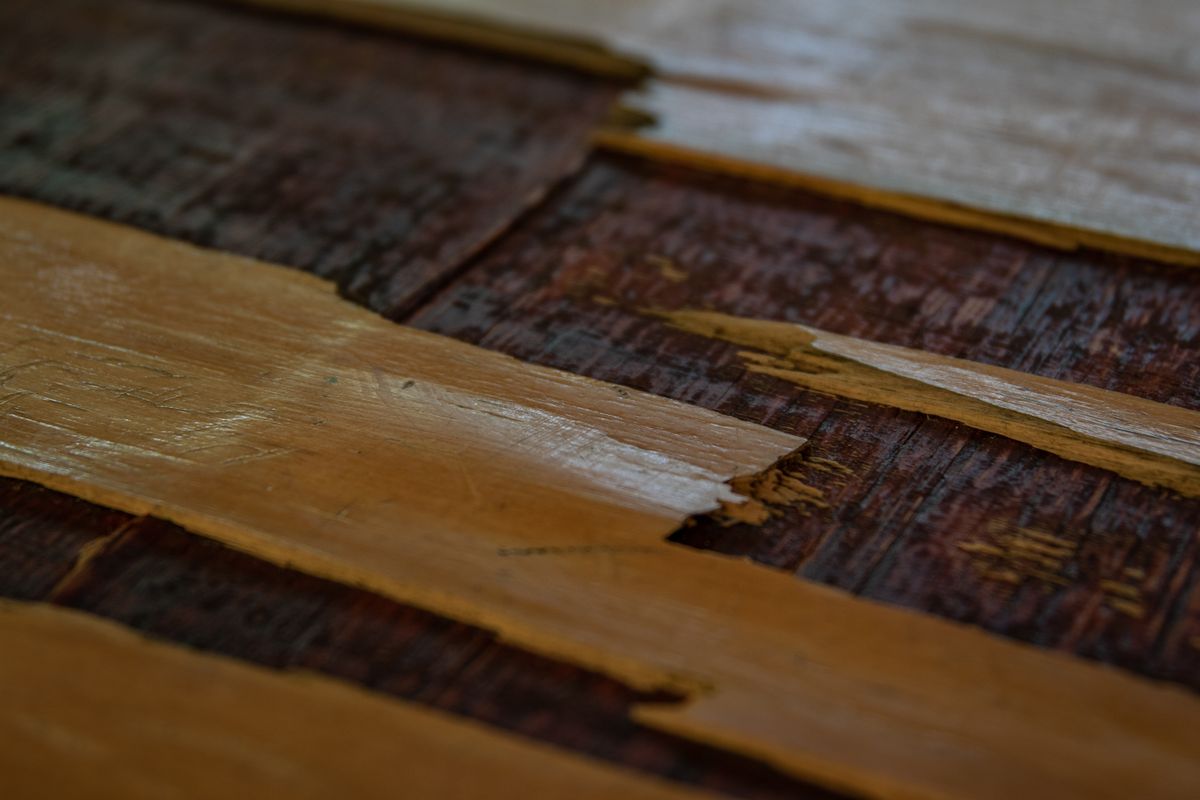
Photo: Magda Ehlers · Pexels
What it means
Normal wear and tear is the deterioration a rental suffers just from being lived in properly — the decline you cannot charge a tenant for, no matter what it costs you to put right.
Every jurisdiction draws the line slightly differently, but the underlying test is consistent: would this have happened anyway, to a careful tenant, over this length of occupancy? If yes, it is wear and tear and it comes out of your return, not their security deposit. If it took an act — negligence, abuse, or an unauthorised alteration — it is tenant damage and it is chargeable.
Two variables move the line. Time: carpet after four years is a different question from carpet after nine months. Degree: three small nail holes are wear, a wall of anchors for a mounted television is not.
The classic pairs are worth memorising, because they come up in nearly every turnover.
| Normal wear and tear | Tenant damage |
|---|---|
| Traffic-path wear in the carpet | Burn, tear, or pet stain through to the pad |
| Faded, chalky paint | Crayon murals, unapproved colour, gouged drywall |
| Loose door handle, worn hinge | Door kicked off its frame |
| Grout discoloured with age | Cracked tile, chipped tub |
| Small nail holes from pictures | Anchor holes, shelving bolted into studs |
| Worn finish on a wooden floor | Deep scratches from dragged furniture |
Why it matters
This is where deposit disputes are actually decided, and the burden sits on you.
In most states the landlord must prove a deduction was justified, not the other way round. A tenant who disputes a $900 carpet charge does not have to establish that the wear was normal — you have to establish that it was not, with a move-in record showing the carpet's original condition and enough evidence of the specific harm.
The money is real. On the canonical unit the whole turn cost runs about $1,880 in work — paint, cleaning, small repairs — of which the great majority is wear and tear you absorb. Landlords who try to push that onto the deposit convert a routine $1,880 turnover expense into a treble-damages claim worth $7,200.
There is a tax angle that softens the blow. Wear-and-tear work is almost always a repair, which means it is a deductible expense in the year you pay it rather than something you capitalize. The $1,850 of repairs in the canonical year sits on line 14 of Schedule E and reduces taxable income immediately.
How it works in practice
The workable method is proportional, not binary. Rather than asking "is this chargeable, yes or no," you allocate the item's cost across its expected life.
Say the unit's carpet cost $1,600 installed and has a useful life of eight years. A tenant leaves after three years with a pet stain that requires full replacement.
| Step | Amount |
|---|---|
| Original carpet cost | 1,600.00 |
| Useful life | 8 years |
| Life consumed by normal use (3 years) | (600.00) |
| Remaining value destroyed | 1,000.00 |
| Chargeable to the tenant | 1,000.00 |
You absorb the $600 the tenant would have worn out anyway. You charge the $1,000 of remaining life their pet destroyed. Several states codify exactly this method; in the rest it is simply the approach most likely to survive a hearing, because it is visibly fair.
The same logic applies to paint. If interior paint has a four-year life and the tenant stayed three years, three-quarters of the repaint is yours regardless of who lived there. Charging a full repaint after a three-year tenancy is a deduction you will lose.
Two practical rules. Never charge for an item you were going to replace anyway — the timing of a turnover is not a reason to bill an upgrade. And never charge for cleaning to a standard better than the one you delivered at move-in; the benchmark is the move-in inspection, not a show unit.
Common mistakes
- Charging full replacement for a partly used item. The proportional method above is what the deduction should be. Full cost after three years of an eight-year carpet is not defensible.
- Billing the repaint every turnover. Paint has a useful life and it runs down whether or not anyone is living there.
- Treating cleaning as automatic. A unit returned as clean as it was received is not chargeable, and a flat cleaning fee applied regardless of condition is void in several states.
- No before photos. Without a move-in record every claim becomes your word against theirs, and the statute usually resolves ties against the landlord.
- Confusing deferred maintenance with damage. A problem you failed to fix during the tenancy — see deferred maintenance — is yours, even if it got worse.
How BareBones PM helps
The proportional calculation only works if you know what an item cost and when it was installed, and that is precisely the fact that goes missing between tenancies.
BareBones PM keeps property-level assets — carpet, paint, appliances — with their install date and cost, so at move-out the remaining life is arithmetic rather than argument. The turnover charges you raise are computed against that record.
Move-in and move-out condition documentation lives on the lease, in one place, with the dates attached. When a deduction is challenged, the comparison you need is already assembled instead of scattered across two phones and an email thread.
For the wider deposit workflow this feeds into, see Security deposits done properly.


Related terms
- Tenant damageHarm beyond normal wear and tear, caused by negligence or misuse — a hole in a door, a stained carpet, a broken fixture. Deductible from the deposit, provided you can show the condition before and after with dated evidence.
- Security deposit itemizationThe written statement listing every deduction from a deposit with amounts, sent within the state deadline. Miss the deadline or the detail and many states forfeit your right to deduct at all — sometimes with a penalty on top.
- Move-out inspectionThe walkthrough at the end of a tenancy, comparing the property against the move-in record. Some states give the tenant a right to attend and to fix issues first. What you find here drives the deposit itemization.
- Useful lifeHow long an asset is expected to remain serviceable — a roof twenty to thirty years, a water heater ten, carpet five to seven. It drives both replacement planning and how an item is depreciated.