
September 13, 2026 · Maintenance
When a Rotting Fence Is a Shared Cost in Victoria
A rotting boundary fence doesn't automatically mean a 50/50 replacement. Here's what I learned as a landlord about repairs, upgrades, and the neighbour's share.

I once stood in a Melbourne backyard staring at a boundary fence with three rotted rails. The palings were fine. The neighbour wanted a brand-new colourbond fence and assumed I'd pay half. I wanted to fix the rails. We went back and forth for two weeks before we sorted it out. The lesson stuck: in Victoria, a neighbour only has to contribute to a dividing fence when it genuinely needs work, and only to the basic standard.
What 'dividing fence' actually means
A dividing fence is any fence that sits on the boundary between two properties. It doesn't matter whose side faces which way. Under the Victorian Fences Act 1968, adjoining owners generally share the cost of a "sufficient dividing fence" when the existing one is no longer doing its job. That is not the same as wanting a newer fence. A fence with minor rot, a couple of loose palings, or a leaning post might only need repair. If repair brings it back to a reasonable condition, the neighbour doesn't have to pay for replacement at all.
I tell new landlords to photograph everything and get a fencing contractor to say in writing whether the fence is repairable or genuinely shot. That one line on an invoice has saved me more arguments than a hundred phone calls.
Repair vs replacement, and who pays what
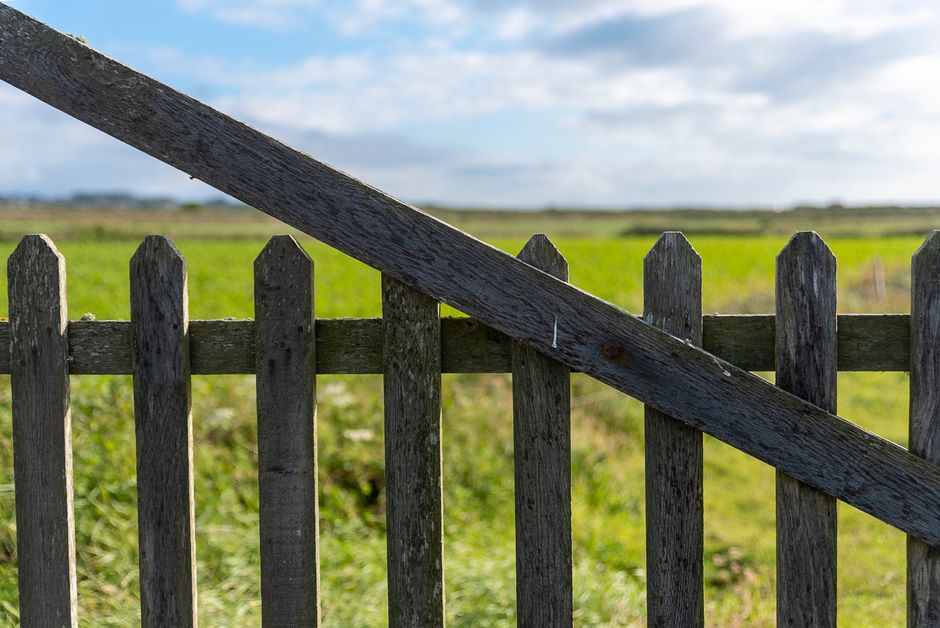
If a contractor confirms the fence is beyond repair, the cost of a basic replacement is usually split 50/50. But here's the catch most first-timers miss: the neighbour only owes half of a standard fence for the area. In a suburban Melbourne street, that usually means a 1.8-metre treated pine paling fence. If you want a higher Colorbond panel, a hardwood screen, or concrete sleepers, the extra cost is yours. You can still ask, but you can't require it.
I once managed a rental where the owner wanted a fancy merbau slat fence along a shared side boundary. The neighbour agreed to contribute half the cost of a basic paling fence. The owner paid the difference. That was fair, and it was legal.
Start with a conversation, not a notice

Before you quote the Fences Act at anyone, knock on the door or send a short friendly message. Explain what you've seen, say you had a contractor look, and ask if they'd be open to sharing a repair quote. You would be surprised how often that works. People get defensive when the first contact is a formal letter with legal references.
If the neighbour disagrees or ignores you, Victoria has a process for giving formal notice of a fencing proposal. I'm not a lawyer, and the notice requirements changed over the years, so I always check the current version of the Act or call the Dispute Settlement Centre of Victoria before I send anything formal. A written quote attached to a simple letter usually gets a response faster than a court form.
What I would do with a rotting fence today

I would first confirm the fence is actually on the boundary. It usually is, but old fences sometimes sit a few centimetres inside one property. I'd then get one or two written quotes that separate repair from replacement. If repair is under a few hundred dollars, I'd probably just pay it myself to keep the peace, especially if I owned a rental and the neighbour was an owner-occupier. If replacement was needed, I'd send the neighbour a quote for the basic standard, explain their half, and offer to coordinate the contractor. Money talks: neighbours are more likely to agree when you've already done the legwork.
One more thing: never start fencing work on a shared boundary without at least a written message confirming agreement. If you pay the full amount and then chase the neighbour later, you'll have a harder time getting half back. Get the agreement first, even if it's just a text message saying "yes, go ahead."
A rotting fence doesn't have to become a feud. Find out if it's repairable, work out the basic half, and keep the upgrade costs on your side of the ledger.