
November 11, 2026 · Maintenance
HVAC Smoke and a Fire Department Shutdown: Pay Now or Wait for the Warranty?
Smoke, a fire department shutdown, and a home warranty on the line. Here's how I'd handle the urgent HVAC repair and the warranty claim that follows.

The call came at 11:40 p.m. My tenant heard crackling from the air handler, saw a wisp of smoke, and dialed 911. The fire department arrived, cut power at the outdoor disconnect, and red-tagged the unit. It was 18 degrees outside. The home warranty company's emergency line said they'd call back within 24 to 48 hours.
This is a housing habitability problem, not a warranty dispute. When smoke and a fire department shutdown are involved, you pay for the repair now and fight the warranty company later.
Why You Pay First
I managed 70 units for over two decades. I only had a fire department tag a unit twice, but both times the decision was the same. You don't wait on a home warranty company when a safety issue has already been confirmed. Smoke means something inside the air handler overheated—usually the heat strips, which are the auxiliary electric resistance coils that kick in when the heat pump can't keep up. If they fail, they can arc, melt, or start a fire. The fire department didn't shut the unit down because it was making a funny noise. They shut it down because it was unsafe.
Your tenants need heat. Most local housing codes require you to maintain a minimum indoor temperature during cold months. I'm not a lawyer, and the exact number varies by jurisdiction, but when the outside temperature is below freezing, "wait for the warranty adjuster" is not a defensible plan. The warranty company has no obligation to rush. Their contract likely says they'll respond within a "reasonable" time, which can mean days. Your tenant can't live without heat for days.
How I'd Handle the Repair

Call a licensed HVAC company that does emergency service and tell them the fire department has already disconnected the unit. Get a technician out the same night or first thing in the morning. Ask for an itemized invoice that separates the heat strips from any outdoor electrical work, like the disconnect or wiring. That separation matters because your home warranty may cover the heat strips but not the disconnect, or vice versa. If the invoice lumps everything together, the warranty company will deny the whole claim for one uncovered line item.
Take photos before the tech touches anything. Photos of the smoke damage, the red tag, the disconnected breaker, the melted heat strip, and the new parts after installation. I've had a warranty claim denied because I couldn't prove the original failure, so I never skip the photos now. I also video the tech's explanation with my phone—with their permission—because the warranty adjuster won't take my word for it.
Then submit the warranty claim after the repair is done. Yes, the warranty contract probably says you need approval first, but an emergency safety repair changes the practical reality. Keep every receipt, the fire department report number, and the tech's written diagnosis. If the warranty company refuses to pay, you have a clear record.
Don't Make Space Heaters the Plan
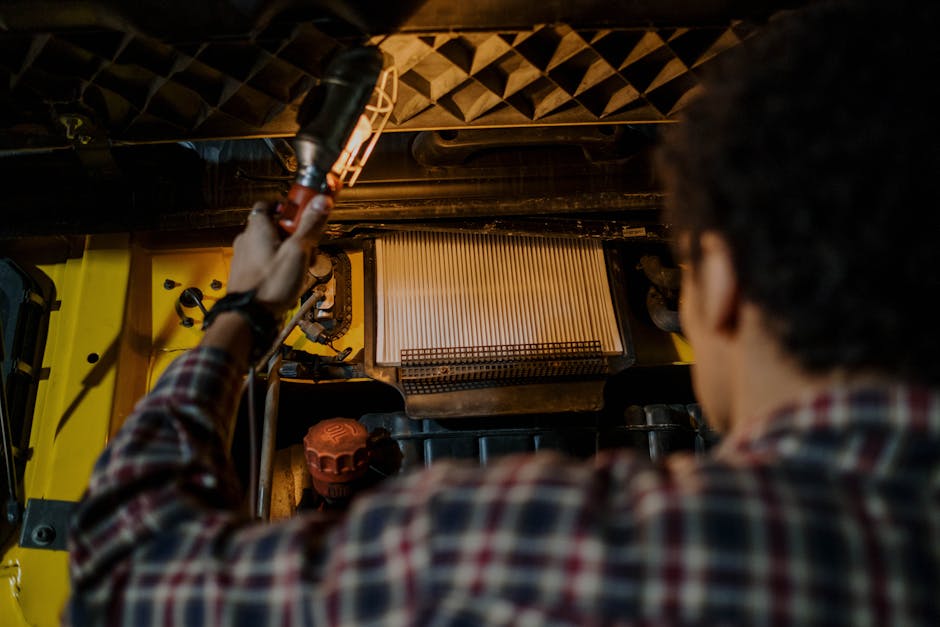
I've seen new landlords hand out space heaters and think they've solved the problem. That's a mistake. Space heaters are not a substitute for a permanent heating system. They overload circuits, they tip over, and they don't heat the whole unit. They also don't fix the fact that the HVAC system is still red-tagged and unsafe. If you provide space heaters, do it only as a stopgap for the night while the technician is on the way, and make sure they're the kind with automatic shutoff. Never leave them as the solution while you wait out a warranty claim. Your tenant will be cold, your pipes will freeze, and your insurance company won't love the setup.
Ask Why It Failed Again

If this is the second or third time the heat strips have burned out, stop and ask the technician why. Heat strips fail for reasons: restricted airflow from a clogged filter or collapsed duct, a blower motor that's not moving enough air, a thermostat that's stuck calling for auxiliary heat, or an undersized system that's running the strips far more than it should. I once replaced heat strips twice in one winter before a tech finally found a crushed return duct. The real fix was a $300 duct repair, not another $900 set of strips. If the system is fifteen years old and the compressor is already weak, the honest answer might be that you're throwing money at a unit that needs replacement. The emergency repair gets you through tonight, but the technician's answer tells you whether to budget for a full system swap before the next cold snap.
So yes, I'd pay out of pocket tomorrow. Get the itemized invoice, document everything, submit the claim after, and make the tech explain the root cause before they leave.