
October 9, 2026 · Maintenance
Tenant Sent a Repair Photo? My Same-Night vs. Morning Triage Rule
Risk-based triage for tenant repair photos: same-night emergency vs. morning call, with examples and why a written tier sheet beats guessing.

A tenant texted me a photo at 9:40 on a Tuesday night in January. The picture showed the back of her electric stove pulled six inches from the wall. The outlet behind it had no cover plate, and two bare copper terminals were catching the camera flash. That one got a contractor that night. The photo she sent two weeks later — a slow drip at the base of a toilet — waited until 8 a.m. The difference is a triage rule I learned the hard way.
After twenty years managing properties, I sort every repair photo into two piles: same-night emergency and normal business hours. The test is risk. Annoyance doesn't get a midnight call.
What Counts as a Same-Night Emergency
Life safety comes first. That means anything involving exposed electrical, active water that can't be stopped, loss of heat in freezing weather, or a broken lock on an exterior door. The exposed range outlet went same-night because a child could touch it. A tenant's photo of water pouring from a ceiling also goes same-night. If the tenant can't find the shutoff valve, I tell them to send a short video while I walk them through it on the phone. The video shows me the layout, and I can see if the valve is accessible.
The shutoff valve is the small handle on the water line that stops flow to one fixture. Many tenants have never touched one. That's okay — that's what the video is for.
Loss of heat is another. If a tenant sends a photo of a thermostat reading 45 degrees and the outside temp is 20, that's a same-night call. A broken furnace in a Minnesota January can freeze pipes inside walls. I learned that in 2015 when I waited until morning and spent the next week cutting drywall.
A front door latch hanging loose at 11 p.m. is also same-night. The tenant can't sleep secure, and the next morning's burglary report is a call I'd rather avoid.
When to Wait for Morning, and Why

A leak at the base of a toilet is usually a failed wax ring. That's the soft seal between the toilet and the floor flange. Water seeping out there is a slow problem. It damages the subfloor — the wooden layer under the flooring — over days, not minutes. I'd rather have the tenant place a towel around the base, avoid flushing, and let my plumber arrive at 8 a.m. The repair costs the same at night, but the after-hours dispatch fee is often triple. I weigh that against the actual risk. A few hours won't rot the subfloor.
Active water from a supply line that won't stop is a different story. That's a same-night call. The test is whether the water is contained or spreading. I've had tenants send me a photo of a small drip under the kitchen sink, but the cabinet floor is dry. That's a morning call. The shutoff valve under the sink stops it. I ask them to turn that valve and send me a picture of it in the off position. That way I know it's contained. A five-second video of the leak itself tells me the drip rate better than any still photo.
Cosmetic Repairs Wait for Turnover

Crayon on wood paneling, a scuffed wall, a closet door off its track — those photos I file under turnover. Turnover is the period between tenants when the unit gets deep-cleaned and repainted. I tell tenants I've noted it and will address it when they move out. That answer sometimes frustrates people. I explain that a repair crew coming out for a crayon mark costs more than the fix, and it disrupts their evening for something that doesn't affect habitability. Habitability means the home is safe and livable — heat, water, secure doors, working electricity. Cosmetic stuff doesn't touch that.
Make the Tiers Physical
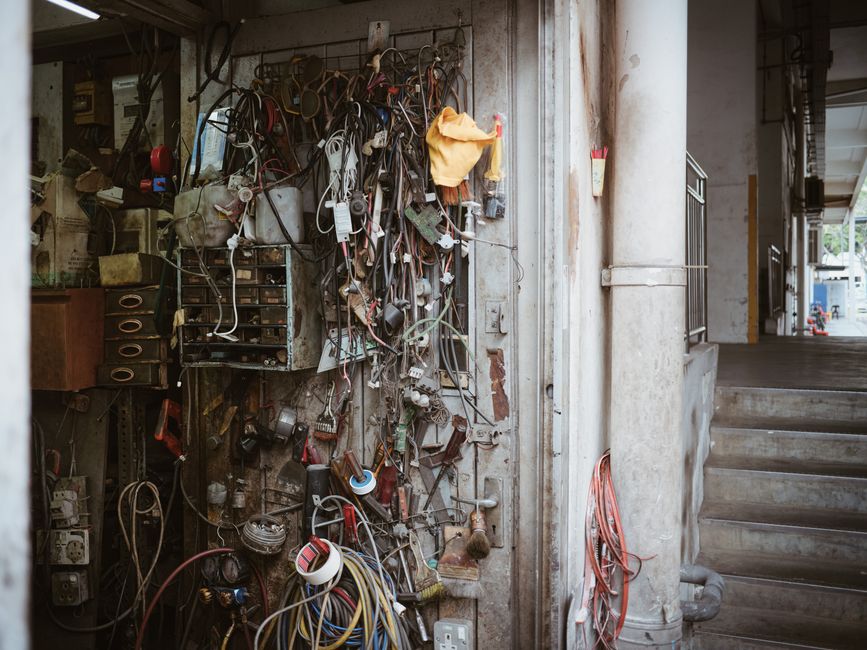
I keep a one-page triage sheet taped inside my maintenance binder. It lists three columns: same-night, next business day, turnover. Examples under each. When a photo comes in at 10 p.m. and I'm half asleep, I don't rely on gut feel. I match the photo to the column. That sheet has saved me from two mistakes I made early on. Once I sent a tech out at midnight for a dripping tub spout — the tenant had turned the handle too hard and cracked the cartridge, but the water was off at the fixture. Another time I waited three days on a photo of a loose deck railing, and my insurance agent later told me that was a liability if a guest leaned on it. Now the sheet says: loose railings = same-day, never three days.
That sheet is the reason I can send a contractor out at 10 p.m. without second-guessing, and tell another tenant to wait without feeling guilty. The photo is just data. The risk decides the clock.