
October 16, 2026 · Maintenance
Getting a Split-System Air Conditioner Approved in Your Strata Unit
The practical path through an Australian strata committee, with the proposal details that get a yes: location, drainage, noise, and the right paperwork.
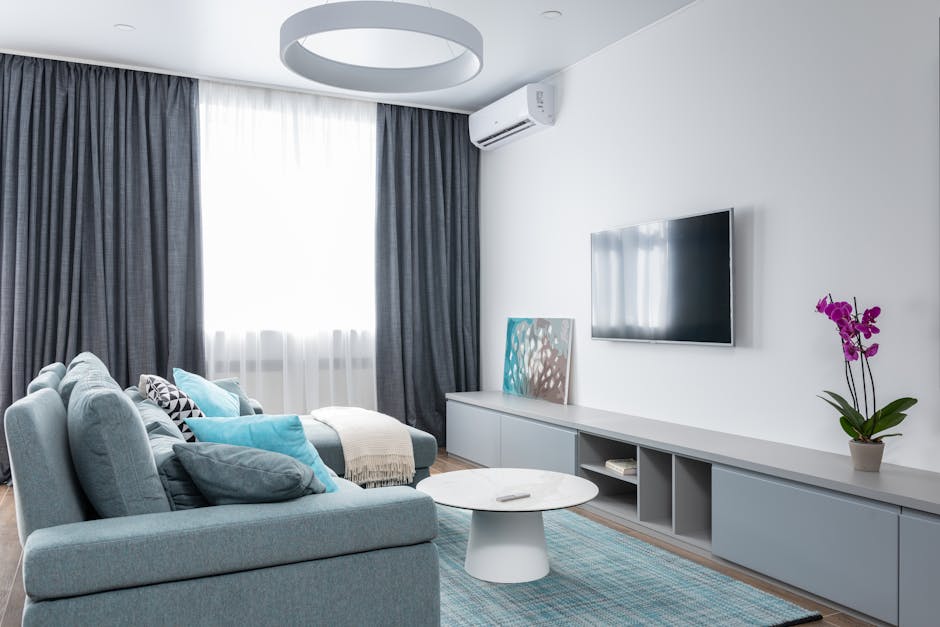
I got this exact question from a landlord who owned a unit in a small New South Wales strata scheme. There were two owners, so the committee was just the two of them. He wanted a split-system air conditioner. The other owner wouldn't commit. He asked me who actually signs off.
Who actually signs off
In Australia, a strata title means you own the inside of your unit—the lot—and you share ownership of the building's structure, roof, external walls, and any common areas with the other owners. That shared part is called common property. A split-system air conditioner has an indoor head and an outdoor condenser. The indoor head sits inside your lot. The condenser usually mounts on an external wall or balcony, which is often common property. I've seen this in a six-unit block in Brisbane, where the condenser sat on a common wall. Any change to common property normally needs owners corporation approval.
The owners corporation is the body made up of all the owners in the scheme. Most day-to-day approval powers sit with the strata committee, elected by the owners. In a two-lot scheme, the committee is often just the two owners. So if you are one of them, you only need the other owner's written agreement to approve the installation—assuming the committee has the delegated power for this kind of change. The strata manager cannot override that. The strata manager's job is to carry out the committee's lawful decisions. The manager doesn't make those decisions.
Some schemes have a by-law that already sets out air-conditioner rules. A by-law is a rule the owners corporation makes about the use of common property or lots. I once managed an eight-lot scheme where a by-law required every condenser to be painted the same colour. If the existing by-law says condensers must be screened or mounted in a certain spot, you follow that. If there is no by-law and the condenser will take over a slice of common property for your exclusive use, the owners corporation may need to pass a new by-law. In most states, passing a new by-law requires a special resolution at a general meeting. A committee vote alone is usually not enough. Check your state's rules before you assume the committee can sign off.
The one-page proposal
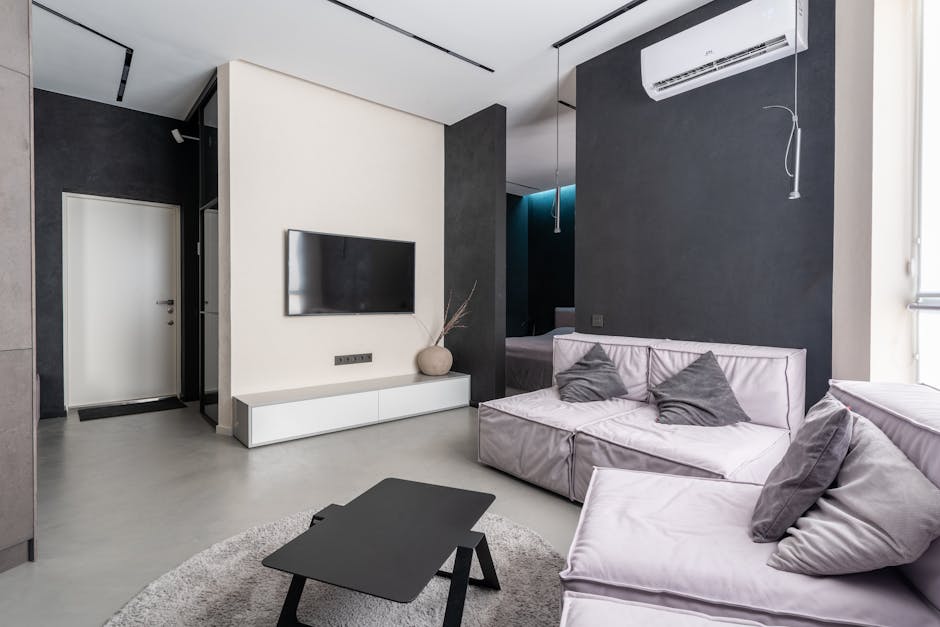
When I managed units, I'd ask the owner to send me a simple proposal before I called the strata manager. It had to name the exact condenser location—an east-facing wall of lot 3, directly above the kitchen window, 300 millimetres from the balcony edge. It had to show the condensate drain line. That's the pipe that carries moisture away. If it drips onto someone's balcony or entry path, you'll get a no. It had to state the outdoor unit's decibel rating at one metre, because noise complaints kill more AC applications than anything else. It had to say what the unit would look like from the street and the neighbour's window—colour, size, any screening.
Then I'd call the strata manager and ask one question: "Is there a current form or set of installation requirements for air conditioners in this scheme?" In a scheme of twelve townhouses, the standard form ran two pages and listed four conditions, including a drain line that couldn't cross a walkway. Most strata managers keep a similar form. That saves you guessing. They may also tell you whether the committee can approve it or whether it needs a general meeting.
How the yes came through
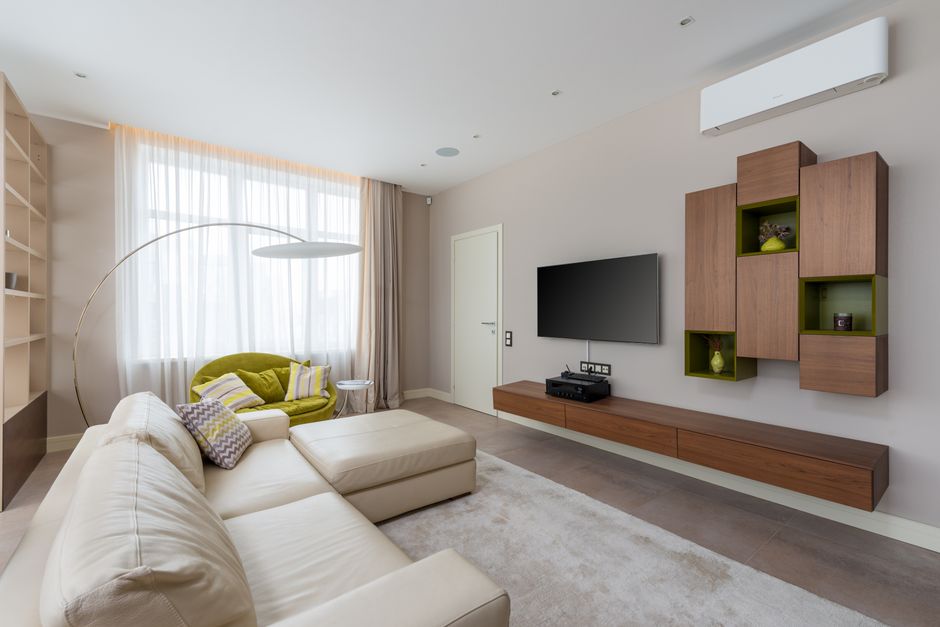
The landlord I mentioned earlier got his yes in a week. The other owner asked for a small timber screen around the condenser and for the drain to run into a pot plant on his own balcony. Fair conditions. The strata manager recorded the approval in the minutes. The whole thing cost the owner nothing beyond the screen and the install.
Get the other committee member on side first. Then write the one-page proposal and ask the strata manager for the house rules before you send it. In a two-lot scheme, you are half the approval. The other half wants to know where it sits, where the water drains, what it looks like, and how loud it gets. Answer those four before they ask.