
November 10, 2026 · Maintenance
Making the Repair or Replace Call During a Turnover
How I decide whether to fix or replace an item before a vendor sets foot in the unit, using age, safety, and the true cost of a second visit.

The first time I had to make a repair-or-replace call, I stood in an empty apartment with a dead water heater that was seven years old. I replaced it. That cost me $900 in 2004 money. Two years later I learned that model had a ten-year expected life. I threw away a working unit because I guessed instead of planned.
That mistake taught me to decide before the vendor arrives. During a turnover, you don't have time to deliberate while a contractor leans on the doorframe. The move-out walk is where I make my call.
Start with the move-out walk
The move-out walk is the inspection you do with the tenant when they hand back the keys. That's the moment to open every cabinet, test the appliances, and look at the floors. I never wait until a contractor is on site asking what to do. By then, the clock is running and you'll feel pressure to pick the cheap patch.
I bring a clipboard with a simple form: item, age, condition, repair or replace, and why. If the tenant is still there, I ask how long that faucet has dripped or whether the oven ever heated evenly. Their answers go on the form too. You'd be surprised how often a tenant says "it never worked right" about something you thought was fine.
Age tells you more than looks
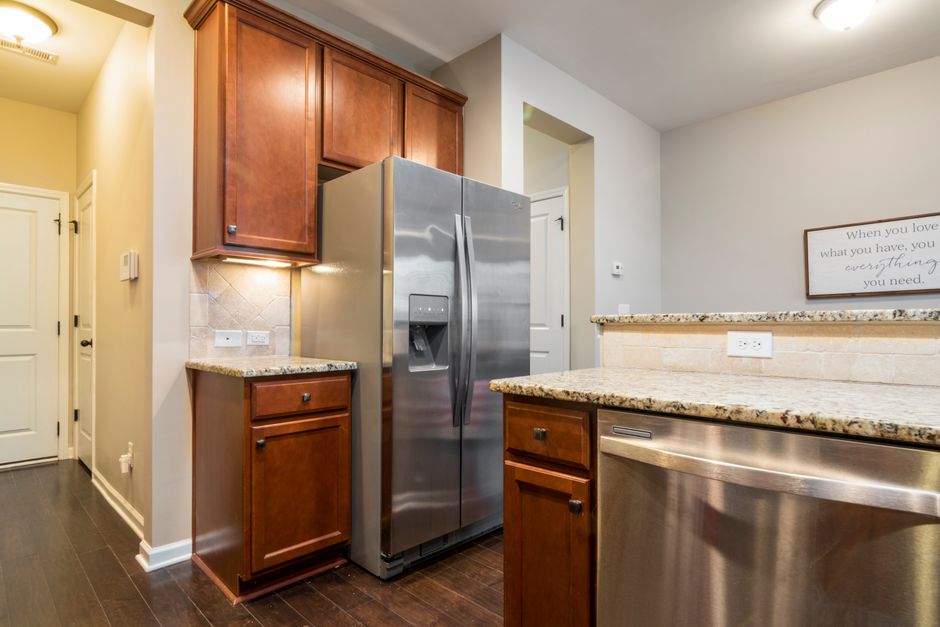
Every item has a rough expected life in a rental. A refrigerator will usually run ten to twelve years. A water heater lasts eight to twelve. A carpet in a high-traffic hallway might look tired after five. When I know the age, I can compare it to the expected life and make a rational call.
A compressor failure on a nine-year-old refrigerator means replace. The repair might cost half the price of a new one, but you're buying a machine with one year of life left. A thermostat failure on a four-year-old refrigerator means repair. That unit has another six to eight years in it if you fix the small part.
A second visit has a real cost

The most expensive mistake a new landlord makes is trying to save a repair visit and paying for two. I once patched a water heater because the tenant was moving in on Saturday. The pilot assembly failed again three weeks later. The second service call cost $180, plus the tenant's frustration and my time. Replacing the whole unit would have cost $200 more than the first patch, but one trip instead of two.
Always count the second visit. If the repair has a fifty percent chance of failing before the next tenant cycle ends, replace it now. A tenant cycle is the time from one move-in to the next move-out, usually a year or two. You don't want a breakdown in month nine of a twelve-month lease.
Safety systems get fixed once
Your water heater and furnace are not bargaining chips. If a furnace has a cracked heat exchanger, you replace the furnace. If a water heater is leaking from the tank, you replace the water heater. There's no patch that makes those safe for the next tenant cycle. The cost of a carbon monoxide leak or a flooded basement is far higher than the replacement.
Electrical outlets that spark, a gas stove that won't light, a shower valve that scalds — these get replaced, not repaired. I don't negotiate with safety.
Cosmetic items can be patched and painted

A scratched sink can be reglazed for a fraction of the cost of a new one. A cracked sink gets replaced. Nail holes get spackle and paint. A worn carpet in a bedroom can wait another year if it means replacing the whole unit's flooring at once later. The rule is simple: if it looks tired but functions, you patch it. If it's broken, you replace it.
Write down the decision and the why
I kept a simple notebook page for each unit. One line might read: "Water heater, 9 years old, replaced, expected remaining life 1 year, repair cost vs replace was a wash." The next time that unit turns over, the note takes me five seconds to read and I'm done.
This log saved me on my twelve-unit building. A tenant would move out after two years, and I'd see the note from the last turnover: "Refrigerator, 6 years old, repaired door seal, next replacement around year 10." No rethinking, no second-guessing. The decision was made with the same reasoning as before, and that consistency kept the property cash-flowing.
Decide early, use age, count the second trip, and write it down. That's the whole system.