September 23, 2026 · Property Management
The Rent Collection Setup I Wish I'd Had from Day One
After managing 14 units for over a decade, here's the rent collection setup I recommend to new landlords—what features matter and what to skip.

I collected my first rent check in 2004, folded inside a greeting card that the tenant handed me at the door. It took three days to clear, and I had to drive to the bank on my lunch break. By the time I retired from managing my 14 units, every payment landed in one dashboard, late fees applied themselves, and I hadn't seen a paper check in years. That change didn't happen by accident. It happened when I stopped treating rent collection as a series of one-off transfers and started using one system for the whole rental lifecycle.
What matters most in rent collection software
New landlords often ask me which app to use. I don't have a single favorite brand—what works for me may not fit your state or your tenant mix. Instead I look for a property management platform that handles the full lease cycle, not just a payment button. The table stakes are online rent payments, automatic late fee posting, a maintenance request portal, and tenant screening. In 2019 I switched to a platform with all four features and never looked back. Automatic late fees means the software adds the charge on the day after the grace period ends, based on rules you set once. Lease signing and vacancy posting are useful extras if you self-manage turnover.
The free platform trick I learned
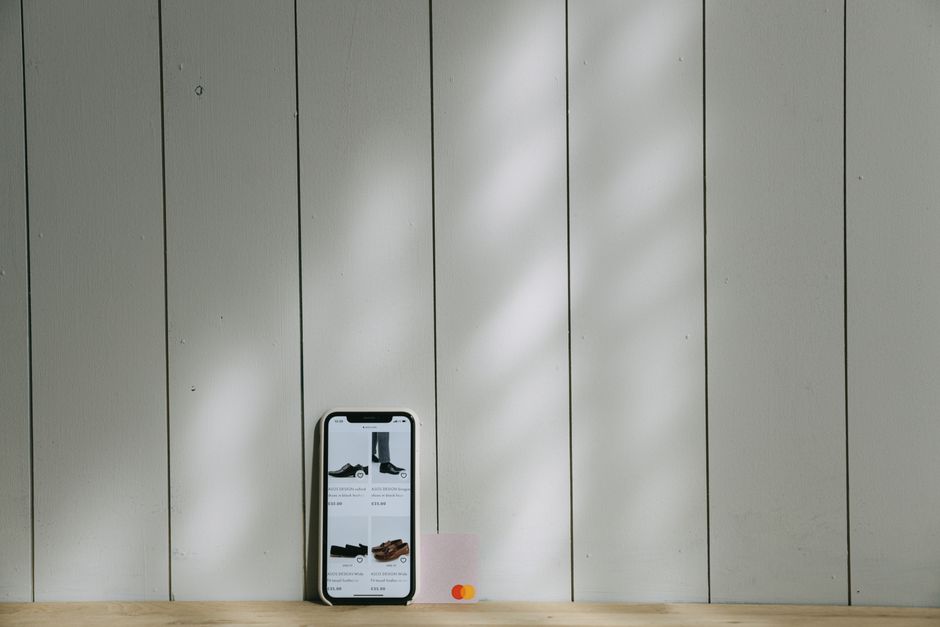
A landlord I mentored in 2021 found a platform that covers all of those must-haves with no landlord subscription cost. The only fee is a small per-payment charge that gets passed to the tenant at checkout, similar to how a convenience fee works on a card transaction. I used a similar setup for my last six years of managing. The tenant sees the exact rent amount plus the processing fee, and they can pay by bank transfer or card. No checks, no cash, no awkward text reminders.
Why simple transfer apps fall short

I get the appeal of peer-to-peer payment apps and plain ACH transfers. They're free or nearly free, and tenants already use them. Free doesn't last once you manage more than one door. With a peer-to-peer app, you still have to manually record each payment in your landlord bookkeeping software. You also have to remember whose rent is late, calculate the late fee yourself, and send a reminder. That's two extra jobs every month per tenant, and four times as many mistakes. ACH transfers through your bank are better for recurring payments, but they don't give you a tenant-facing portal with lease documents and maintenance requests in one place.
How I would choose today

If I were starting over with one or two units, here's exactly what I'd do. First, set up a separate checking account for the rental business. I did this after my first year and it saved me hours at tax time. Second, pick a property management platform that offers online rent collection, automatic late fees, maintenance requests, and tenant screening even if it costs a small per-payment fee. Pass that fee to the tenant unless local law prohibits it. I'm not a lawyer, but many states allow you to pass convenience fees to tenants as long as it's disclosed in the lease. Check your local rules before you do. Third, require every tenant to use the platform from day one. I added a clause to my lease that all payments go through the online portal, with paper checks accepted only for the first month's rent and security deposit.
The biggest mistake I see new landlords make is trying to avoid a couple of dollars per transaction by using a free app, then spending five hours a month reconciling payments across three different tools. Your time is worth more than that, and late fees you forget to charge are pure lost income. I once let a tenant pay me through a social payment app for six months. When I finally switched to a real platform, I found two payments had been mislabeled and one had been sent to my personal account by mistake.
Maintenance, screening, and lease signing
A full property management platform handles more than rent. When a tenant submits a maintenance request through the same portal, you get a timestamped paper trail—no "I told you about the leak three weeks ago" arguments. Tenant screening can include credit and criminal reports, often paid by the applicant. I always added eviction history when the screening company offered it. Lease signing with electronic signatures means you can send a lease to a tenant's phone while you're at the property, and both of you get a signed PDF immediately. I used these features to turn a unit in 6 days instead of 10 because I wasn't mailing anything.
Start with the platform's free trial if it has one, set up one test tenant, and run a pretend payment through before you invite your real tenants. That 20 minutes will expose any settings that don't match your lease.