
October 5, 2026 · Property Management
Why I Re-Key the Locks Between Every Tenant
Outgoing tenants return two keys, but copies are out there. Here's why I re-key every rental unit between tenants and how I do it.

When the retired couple moved out of my duplex, they handed me two keys and a garage remote. I'd issued two keys. I skipped the rekey that year. Three weeks later their nephew let himself in with a third key he'd had for years. He was polite, but he was inside my vacant unit.
That was the last time I trusted a departing tenant's key count. I've had tenants hand back four keys when I'd issued two. I've had another shrug and tell me a spare was in a kitchen drawer two states away. The copies you'll never see are the real risk.
What Rekeying Actually Means
Rekeying means changing the pins inside the lock cylinder so the old keys stop working. You don't replace the whole knob or deadbolt, just the internal core that matches the key. A locksmith can do it in about ten minutes per lock, and I've paid between twenty and forty dollars per cylinder for a service call. That's cheap insurance compared to the liability of a key floating around.
The first time you do it yourself, it feels fiddly. I bought a rekeying pin kit years ago. It came with a follower tool, a bag of pins, a chart, and a set of instructions. One afternoon with an old deadbolt on my workbench and I had the hang of it.
Why a Trustworthy Tenant Isn't Enough

The outgoing tenant's character has nothing to do with the risk. People make copies for practical reasons: a neighbor with a spare for emergencies, a parent who stops by after work, a dog walker, a house cleaner. Six months later, the tenant doesn't remember who has one. You certainly don't know.
If someone with an old key later enters the unit, the landlord is typically the one answering for it. I'm not a lawyer. In most places a landlord has a duty to secure the property between tenants. Old keys in circulation weaken that duty. Some states write the rule into law. Texas requires rekeying no later than the seventh day after a new tenant moves in. Your state may have its own version, so check your local rules before you assume you're covered.
Insurance can also get involved. I've had an insurer ask whether I rekeyed after a break-in with no forced entry. The answer changes how the claim goes.
What I Do at Every Turnover
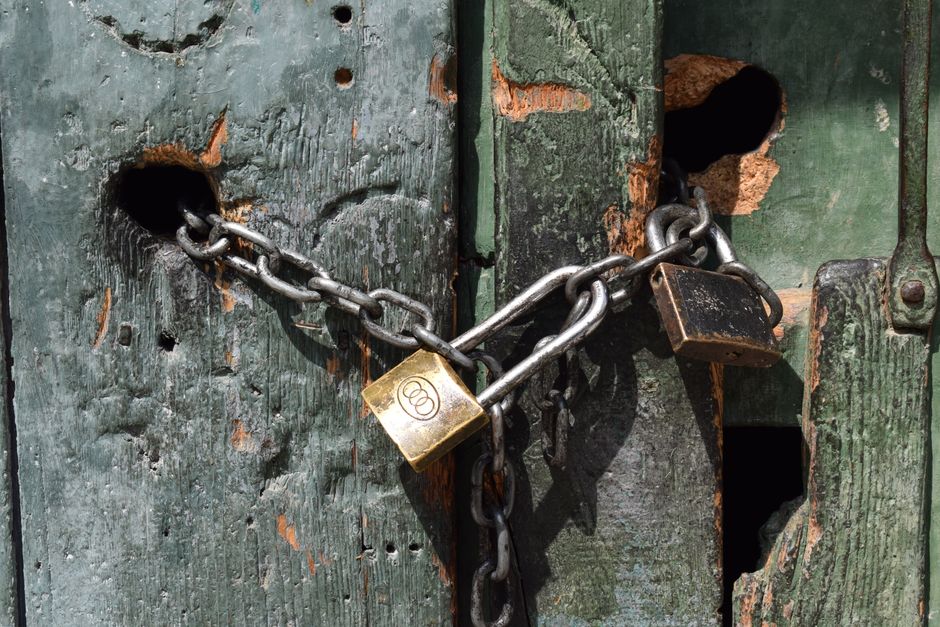
I collect every key the tenant has, then I rekey the door anyway. The handed-back keys go straight into a scrap bin. The new tenant gets newly cut keys, handed over in person at move-in. I make a note in my rental file with the date and how many keys I gave out.
For most of my units, I switched to rekeyable lock cylinders. They let me pull the old core with a special key and pop in a new one. Then I toss the old key. That takes me under five minutes per door now. For a few units I use keypad deadbolts with changeable codes. Those are convenient, but I still rekey the mechanical backup cylinder because almost every keypad lock has one.
If the lock cylinder feels sloppy or the key sticks, I skip rekeying and replace the whole deadbolt. A new one costs around forty dollars and takes fifteen minutes with a screwdriver.
A locksmith will also come to you. If you have two doors, a front and a back, have them rekey both to the same new key so the tenant only carries one. That usually costs me a service fee plus a few dollars per cylinder.
The Habit That Saves the Worst Phone Call

The worst call a landlord gets is the new tenant saying someone walked in with an old key. I got that call once. The woman on the other end was terrified because a man had opened her door and looked around. He left without touching anything. I later found out he was the previous tenant's brother, still carrying a spare. Nothing was taken, but she never felt safe in that apartment again.
I rekeyed that lock the next morning. I should have done it before she moved in. Now I do. Every unit, every turnover, no exceptions. The lock is the first line of security, and the new tenant deserves to be the only person holding a working key.
I stopped debating this years ago. The lock gets rekeyed. The new tenant gets fresh keys. Done.