
October 3, 2026 · Property Management
Why I Rekey Every Lock the Day a Tenant Moves Out
A retired property manager explains why rekeying locks at every turnover prevents liability and how to do it cheaply without replacing the hardware.

I once found a key under the doormat of a unit I'd just turned over. It wasn't one of mine. The tenant had left it for a friend, and that friend still had a copy to the deadbolt. That afternoon I pulled the lock cylinders and rekeyed them myself.
That's the moment I stopped treating rekeying as optional. A tenant can hand a key to a boyfriend, a cleaner, a neighbor, a relative. You will never know. Rekeying between every tenancy closes that gap. It doesn't matter if the outgoing tenant returns every key you issued. Copies exist.
What rekeying actually means
Rekeying is not replacing the entire lock. You change the pins inside the cylinder so the old key no longer turns it. New keys work, old ones don't. On most standard locks this takes a few minutes per door with a rekey kit. Many landlords install locks with a rekeyable cylinder that lets you change the key in seconds using a special tool or key. I liked those because I could rekey a front door and a back door before the new tenant finished their walkthrough.
Electronic locks with codes are another option. You delete the old tenant's code and issue a new one. But I still kept a physical key override on every door, and that key got rekeyed too.
Liability if a former tenant's key is used in a break-in

Here's the uncomfortable part. If a former tenant or someone with their old key breaks in, the new tenant will ask one question: did the landlord change the locks? If you can't say yes, you're in a bad spot. The landlord is usually responsible for providing a reasonably secure unit. Some states and cities go further and require rekeying between tenants. I'm not a lawyer and local rules vary, so check your jurisdiction.
Even without a specific statute, a break-in using an old key creates a narrative a plaintiff's attorney can use. You handed over a unit knowing an unknown number of keys were floating around. Rekeying costs less than an hour of an attorney's time. The last time I priced it, rekeying a standard deadbolt and knob was under two hundred dollars for materials if I did the work myself, and a locksmith wasn't much more. That is cheap insurance against a five-figure claim.
When I rekey
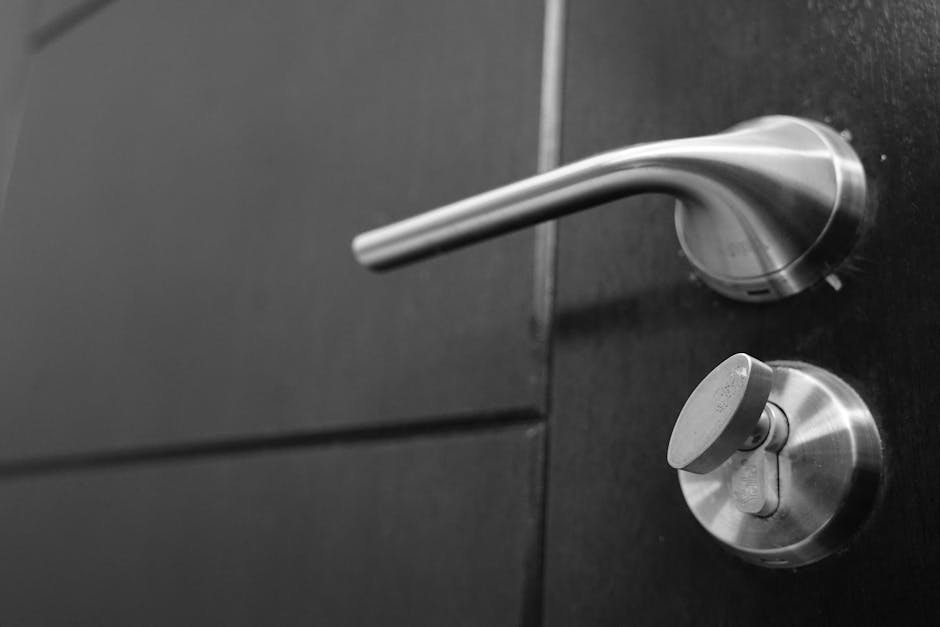
I don't wait for the new tenant's move-in day. I rekey the day after the outgoing tenant returns possession, or the same day if I'm there for the final walkthrough. That way the unit sits empty with fresh keys only I control. If a contractor needs access before the new tenant arrives, I give them one key and rekey again after they're done if I have any doubts. That's rare, but it has happened.
One mistake new landlords make is rekeying only the front door. A former tenant's key works on the back door too. Same for the garage door, the side entrance, the basement door, and any common areas. I once managed a fourplex where the back staircase door shared a key with the tenant's unit. Rekeyed that every turnover as well. If a key opens a door a tenant could use, rekey it.
What I say to the new tenant

I tell every new tenant the locks were rekeyed after the previous resident left. I don't go into detail about pins and cylinders. I say, "The locks were rekeyed on [date], and these are the only keys to this unit." That statement matters. It puts the tenant at ease and it creates a record if something goes wrong. I also write it in the move-in inspection form. A short line, dated and signed by both of us.
If a break-in does happen and the tenant calls me, my first question is whether there's any sign of forced entry. If the door frame is intact and the lock wasn't picked, an old key becomes the likely explanation. I can then tell my insurance company and the police that the locks were rekeyed on a specific date. That's not a legal defense by itself, but it changes the conversation from negligence to bad luck.
The cheap way to do it
If you're handy, buy a rekey kit for your lock brand. It comes with new pins and keys. You'll need a screwdriver and about fifteen minutes per lock the first time. After two or three doors, you'll do it in five. If that sounds like too much, call a locksmith. Some will rekey multiple locks for a flat rate per cylinder. You can also swap in new lock sets from a hardware store, but that's more expensive and unnecessary.
Whatever you do, don't reuse a key from the previous tenant "just for now." I saw a landlord do that once. The new tenant's ex-boyfriend turned out to be a friend of the old tenant. The old tenant had given him a spare months earlier. The break-in was quiet, no forced entry, and the landlord spent months dealing with the police report and an insurance claim. Rekeying would have taken twenty minutes.