November 2, 2026 · Maintenance
Early Repair Requests From a New Tenant Are the Owner's Job
A tenant who reports real maintenance issues in the first few months isn't a problem tenant—they're your early warning system. Here's how to tell the difference.
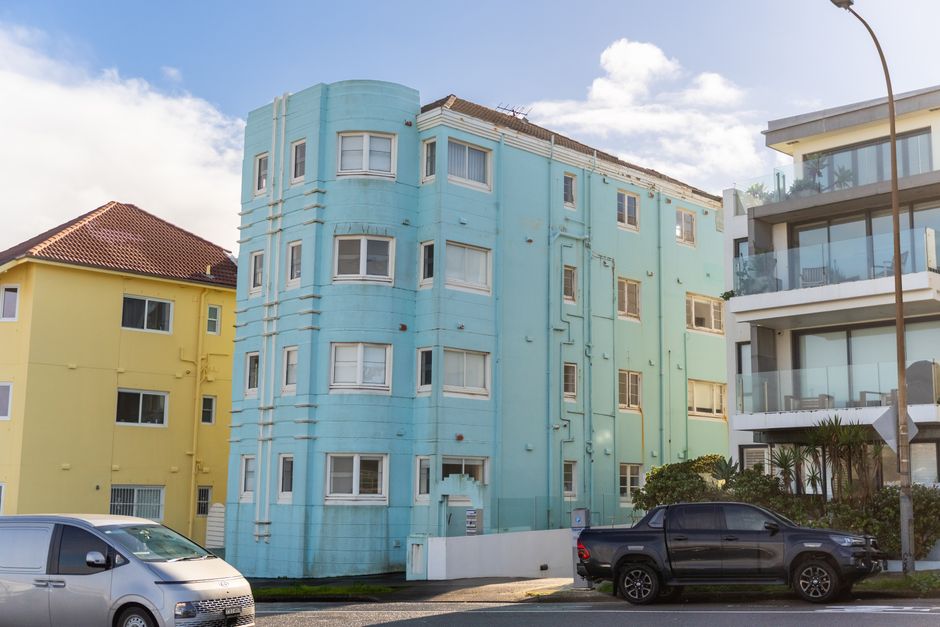
The first two months after a vacancy are when a rental property tells you exactly what broke while it sat empty. In March of one year, I moved a tenant into a two-bedroom unit in a four-unit building I'd owned for six years. The unit had been vacant for seven weeks. Within forty days, she'd called me about a water heater that wouldn't stay lit, a bathroom vent fan that sounded like a lawn mower, a kitchen drawer that slid open on its own, and a back door that stuck in the frame. Four calls. I fixed all four. She wasn't a problem tenant. She was my best inspection tool.
Why early repair requests are normal
When a home sits empty, small problems turn into bigger ones. Rubber gaskets dry out. Pilot light thermocouples get dirty. Weather stripping shrinks. A tenant who moves in and immediately starts using all the systems—hot water, heat, doors, locks—will surface every weak spot in the first ninety days. I call this the shakedown period. In property management, we often prepare a punch list—a written list of small defects to correct after move-in. But a punch list only covers what you saw during the walkthrough. It doesn't cover what hides until daily use puts a load on it.
A tenant who reports these items is doing the owner a favor. The repair would be needed eventually whether the unit was rented or not. Early reporting means I fix a $40 flapper valve before it rots the bathroom subfloor and costs me four figures. That's the cost of renting out a home. It's not a negotiation tactic. It's just physics.
What the landlord's actual duty is

In most places, a landlord has a legal duty to keep the premises fit to live in—what the law calls habitability—and to repair conditions that affect health, safety, or the tenant's use of the property. I'm not a lawyer, and the exact rules differ by state and city, but in every jurisdiction I managed in, responding to repair requests in a reasonable time was part of the deal. A tenant doesn't have to wait until a problem becomes an emergency. A broken window lock in a ground-floor unit is a safety issue. A running toilet is a water bill you'll pay anyway if you cover utilities. A dead smoke detector is a habitability issue in most places.
Repeated requests are not the same as unreasonable requests. If a tenant calls about the same faucet drip four times and I've ignored it three times, the tenant is not the problem. My response time is the problem. I learned that lesson in a rental where I let a slow tub drain go for two weeks. The tenant called twice. I thought it could wait. Then the ceiling below started staining, and I paid for a plumber, a drywall patch, and a repaint. The tenant was right both times.
When a tenant actually becomes a problem
There is a line, and it isn't the number of repair calls. A tenant crossing into problem territory is a tenant who causes the damage and then reports it as if the house did it. I once had a renter's dog scratch a six-foot gouge in a solid wood door, and the renter asked me to fix it because 'the door was old.' That's different. A tenant who withholds rent over a loose cabinet hinge is different. A tenant who blocks my handyman from entering to fix a running toilet, then complains the toilet is still running, is different.
But a tenant who keeps calling about a furnace that won't ignite, a leaky supply line under the kitchen sink, or a garage door that reverses for no reason is not wrong. Those are owner responsibilities. If you don't want to deal with them, you shouldn't own a rental. That sounds blunt, but I say it as someone who spent two decades fixing exactly those calls. The property doesn't care that you just replaced the roof. The next system will fail on schedule.
My rule of thumb
I kept a simple rule when I managed units. A repair request is legitimate if I would fix it whether or not a tenant lived there. A water heater that won't stay lit? I'd fix that in my own home. A door that sticks? Same. A kitchen drawer that slides open? Honestly, I lived with that in my own kitchen for a year, but a tenant asking for it fixed is reasonable. The tenant isn't asking for a remodel. They're asking for the home to work the way it did when they signed the lease.
If the requests are real, answer them. If the tenant is manufacturing problems to break the lease, you'll see that pattern fast—the complaints shift and the defects stop being real. But a tenant reporting real defects in the first few months is the opposite of a problem. That tenant is telling you what your vacancy hid from you.