September 22, 2026 · Property Management
The Neighborhood Signals I Trust Over Crime Rates
Crime stats contradict at the block level. I use late-night walks, school demand, tenant turnover, and development signals to pick rental neighborhoods.
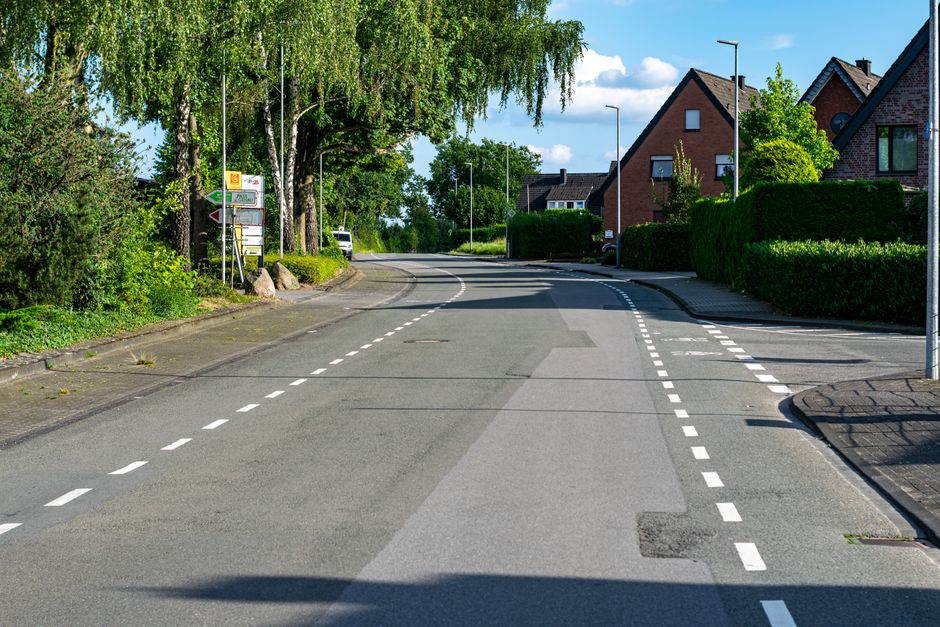
I almost bought a duplex on a street that looked immaculate at two in the afternoon. That night I went back at ten-thirty and counted four porch lights off, two apartments with subwoofers rattling, and a car idling with nobody in it. The crime stats for that zip code were average. The block was a different story.
Starting with the Tenant I Want
A submarket is a neighborhood within your city that rents to a specific tenant type. Property class means the quality band of the unit: Class A is newer construction, Class C is older workforce housing. If I'm buying a two-bedroom for a working family, I'm not comparing crime stats across the whole zip code. I'm comparing the six blocks around the elementary school. I once compared two fourplexes five blocks apart. Same year built, same rent. The one three stops from the transit hub ran half the vacancy days over a year.
Walking the Block at the Wrong Times
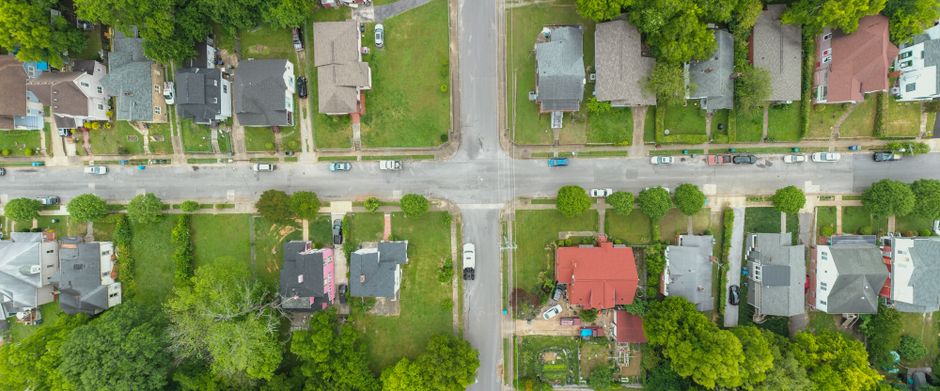
A landlord's best due diligence is a pair of shoes. I walk every candidate street after dark and again on a weekend morning. I'm looking at neighboring property upkeep: mowed lawns, painted trim, no broken-down cars on blocks. I'm listening for nonstop dog barking, arguing, or music bleeding through walls. I once stood on a corner at 11 p.m. and counted six porch lights off and two apartments with loud music. The afternoon had looked spotless.
Crime Trends Beat Crime Snapshots
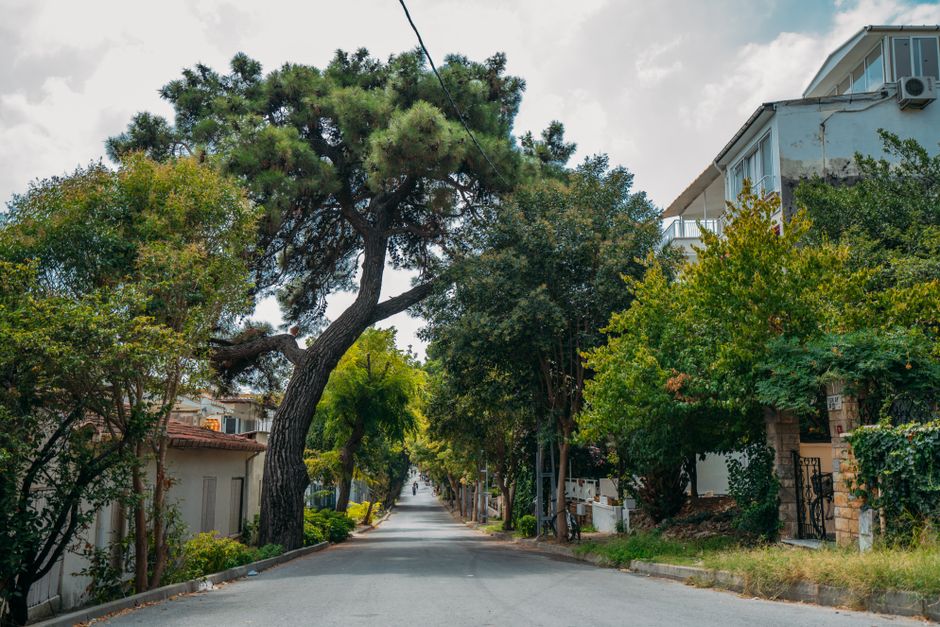
A current crime map is a snapshot. It tells you what happened last month, not what's coming. I look at the direction of the trend. A neighborhood with double the city average but falling fast can be a buying opportunity, because other buyers are scared off. A quiet block with a rising trend is a warning. I pull the last two years of reports for the specific street, not the precinct.
Development and Long-Term Residents

I drive the surrounding half mile looking for permits in windows, dumpsters in driveways, and fresh lumber. Active renovation on a few houses tells me owner-occupants are betting on the street. Three For Sale signs on one block tells me something else. Turnover is the percentage of tenants who leave in a year. I want it below 30% for a rental I'm buying. Above 50% means the tenants are voting with their feet. A block with five rental listings on a Saturday is a red flag, even if the stats say low crime.
Transit, Schools, and Jobs
If I'm renting to families, I check the local elementary's enrollment trend. A school losing students is a neighborhood losing families. I also find the biggest employer within a 20-minute drive. If the plant or hospital is expanding, the rental market is stable. If it's laying off, I'm not buying. Public transit access matters more for a studio than a three-bedroom, but I still walk from the front door to the nearest stop and time it. Fifteen minutes is my cutoff for a working tenant without a car.
One of the best rentals I ever owned was on a block with an above-average crime stat but two long-term homeowners on either side. I paid a fair price and kept it full for nine years. The stats said maybe. The neighbors said yes.