October 2, 2026 · Leasing
Getting a Solid Lease After the Listing Site Removed Its Builder
When the big listing site removed its lease builder, new landlords panicked. Here's what I used: local association forms, an eviction attorney, and a custom rebuild.
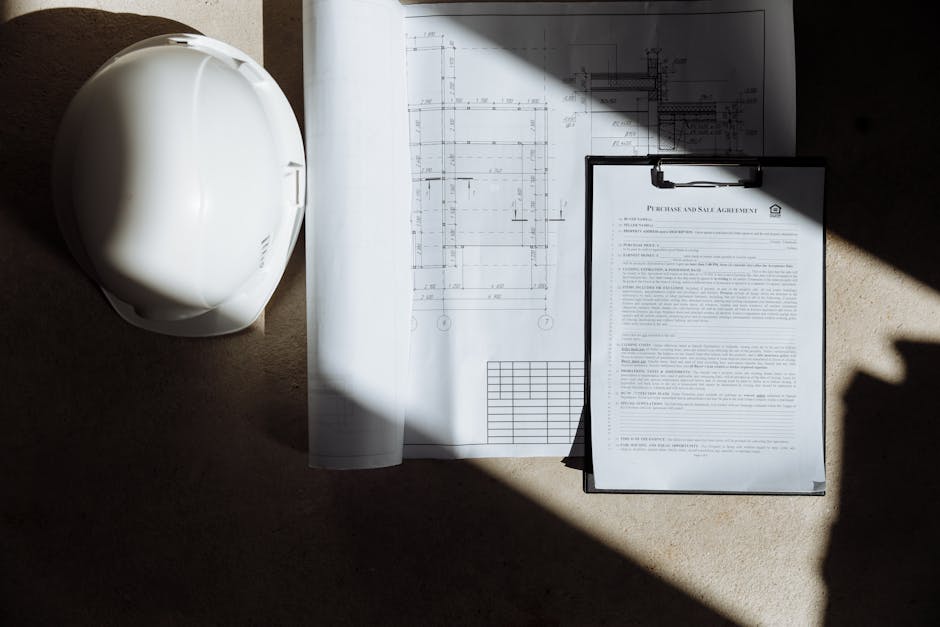
I managed residential rentals for twenty-two years before I retired. I built my first lease from a guidebook I found at the library. I've signed leases on everything from a studio above a garage to a fourplex on a busy street. When that big listing site quietly removed its lease builder, I wasn't surprised—they'd been scaling back their landlord tools for a while. The panic in the landlord forums told me something though: too many new landlords had never built a lease from scratch before.
A generic national lease is a bad idea for most small landlords. I learned that the hard way in my second year, when a tenant challenged a security deposit clause. The judge looked at my lease like it was written in a foreign language. Local courts have their own quirks, and a lease that doesn't match them will cost you time and money. A friend of mine used a free lease from a national website and lost a deposit dispute because the lease didn't include a required state-specific clause about interest on deposits. The judge awarded the tenant full deposit plus interest.
Your local rental association is the first stop
I've belonged to a local rental property association in every city I've managed in. The membership fee paid for itself the first time I needed an eviction notice. I remember my first association meeting in a church basement. A lawyer stood up and passed out a stack of lease forms that he'd updated for the new security deposit law. I grabbed three copies. These associations almost always have a library of landlord-friendly lease forms, drafted by local attorneys who know the judges. The forms get updated every year when the legislature tweaks a law. I'd grab a copy, read it twice, and then add my own addenda for pets, parking, maintenance, and lawn care.
Pay a local eviction attorney to draft it

If you have even one rental, pay a local eviction attorney to draft your lease. I did this for my third property after a messy court case. The attorney charged me a few hundred dollars and gave me a lease that matched what the local judges expected to see. He included clauses about late fees, notice periods, abandoned property, and security deposit rules that were specific to my state's statutes. He walked me through the exact wording for a three-day notice to pay or quit, because my city required a specific line about the right to cure. My old generic lease didn't have it. That lease was a working document. I used that lease for fifteen years with only minor tweaks.
Rebuild the old lease yourself
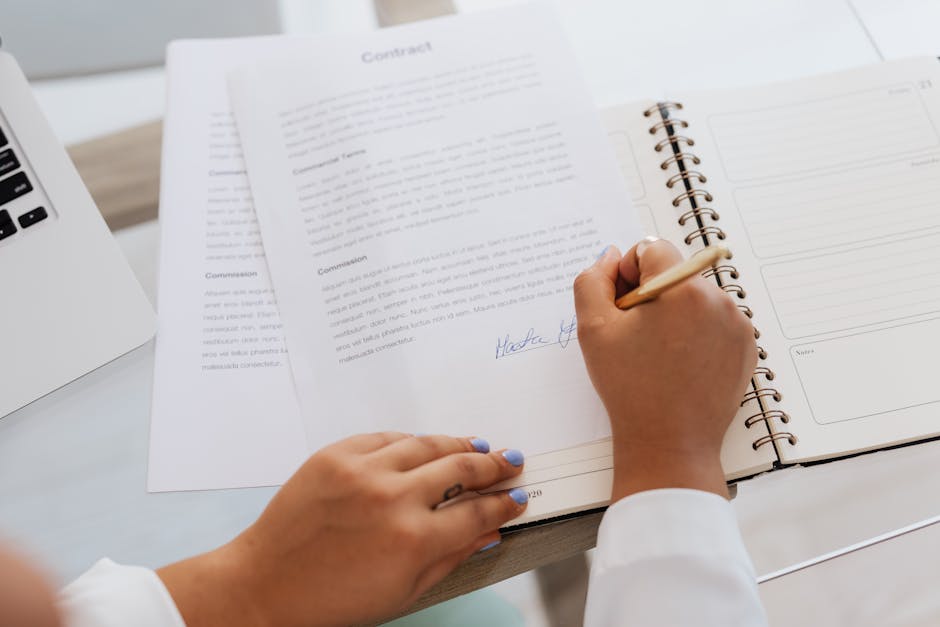
If you still have a copy of the lease you used from the listing site's old builder, don't throw it away. I've rebuilt leases by feeding the old document into an AI tool and asking it to add custom provisions. That worked fine for a simple single-family rental where I already knew the local rules. But I'd never do that for a multi-unit building or anything with commercial space. You need a human who knows your courthouse for that. I once asked an AI tool to add a pet addendum, and it inserted a clause about emotional support animals that was completely wrong for my state. I caught it because I compared it to the association form.
Check your state real estate board and other local sources
Your state's real estate board often sells lease forms to non-members for a small fee. I grabbed one from my state board years ago and it was solid, though a bit generic. A local title company or a property management supply store sometimes carries these too. The trick is to always check the form against your local ordinances. I once used a state form that contradicted a city's just-cause eviction rule. The judge threw out my notice and I had to start over. In one county I managed in, the board form had a late fee grace period that was two days longer than the city allowed. I had to cross it out and initial it.
Whichever route you take, don't rely on a stranger's lease from the internet. The lease is the backbone of your rental business. Get one that fits your local court.