
July 27, 2026 · Legal
Can a Landlord Move Into a Unit While the Tenant Still Pays Rent?
A retired property manager explains the tricky legality of a landlord living in a rental unit that a tenant still pays for, covering abandonment, constructive eviction, and the duty to mitigate damages.
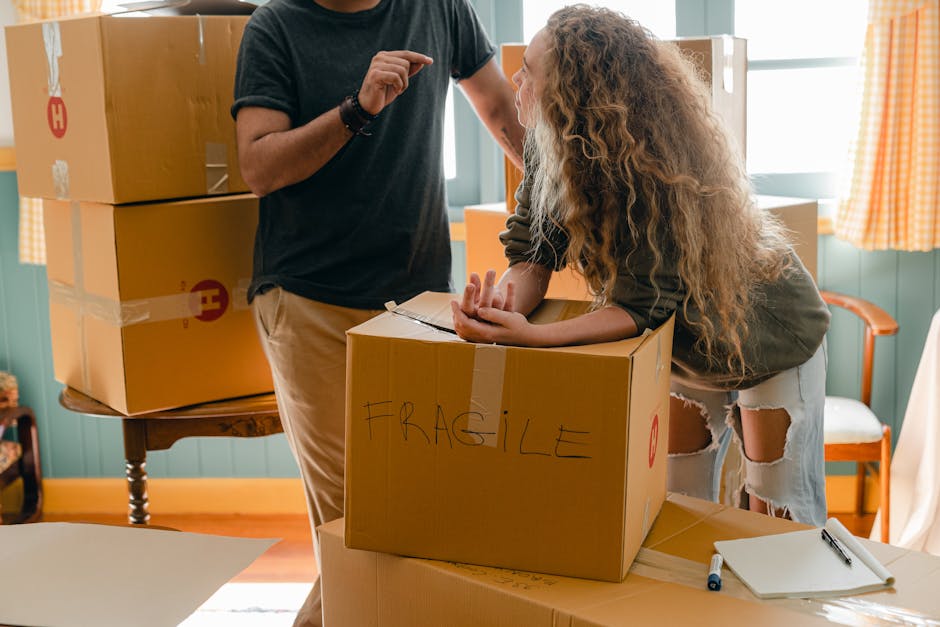
Can a Landlord Move Into a Unit While the Tenant Still Pays Rent?
A young landlord asked me recently: "My tenant left early, but the rent checks are still coming. Can I move into the unit myself?" It's a question I've heard more times than I can count, and my answer always starts with a deep breath. This is one of those gray areas where property rights and tenant law collide—and getting it wrong can turn a steady rent check into a courtroom mess.
The Tenant's Right to Exclusive Possession
When a tenant signs a lease, they're buying the right to live in that unit exclusively for the lease term. This means even you, as the landlord, can't just waltz in whenever you want—you need proper notice and a valid reason, like repairs or an inspection. If you move in while the tenant is still paying rent and hasn't given up their rights, you're basically breaching the lease. That can be seen as a constructive eviction, which legally relieves the tenant from their obligation to pay. So, before you even think about grabbing the spare bedroom, you need to understand that unless the tenant has clearly abandoned the property, you could be walking into a legal minefield.
Abandonment vs. Continued Payment
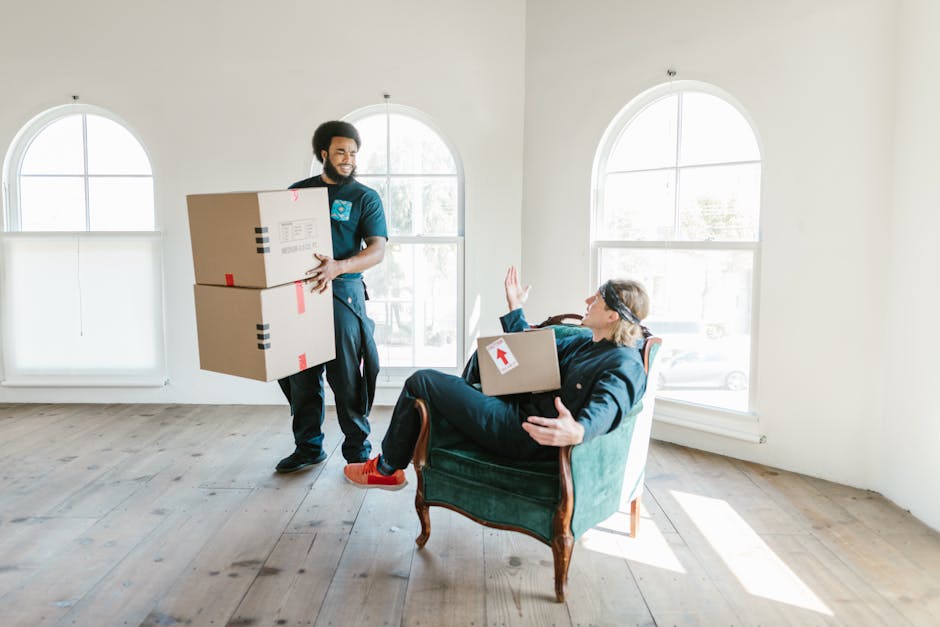
Here's where it gets tricky. Abandonment typically means the tenant has moved out without telling you, stopped paying rent, and clearly isn't coming back. But if the rent checks are still arriving like clockwork, has the property really been abandoned? In many states, the answer is no. A tenant can be physically gone but still exercising control by paying rent. If you move in without their consent, they could argue you've interfered with their right to use the space—even if they're not currently using it. I've seen this happen: a tenant took a temporary job out of state, kept paying rent, and planned to return. The landlord assumed the unit was empty and moved in a relative, leading to an ugly lawsuit.
The Duty to Mitigate Damages

As a landlord, you've got a duty to mitigate damages if a tenant breaks the lease early. That means you must make reasonable efforts to re-rent the unit. But here's the catch: if you decide to move in yourself, is that considered finding a new tenant? In some jurisdictions, yes. By occupying the unit, you might be accepting the tenant's surrender of the property, which ends the lease. That means you can't keep cashing their rent checks. I'm not a lawyer, but in my experience, the moment you reclaim possession for your own use, you've essentially terminated the old lease. So, if you want to double-dip—live there and collect rent—you're asking for trouble.
What Happens If the Landlord Moves In?
Let's say you ignore all this and move in while the tenant is still paying. What could go wrong? For starters, the tenant could sue for breach of contract, claiming you've deprived them of the property's use. They might get a court order for you to vacate, damages for any inconvenience, and possibly even a refund of rent for the period you occupied. In some places, if you move in without a court order or a valid abandonment notice, you could be liable for trespass. I watched a fellow landlord do this back in the '90s—he ended up paying out a five-figure settlement, all because he thought "they moved out, so it's mine again." He learned the hard way that a tenant's check can buy them a lot of rights, even from a distance.
Practical Advice for Landlords

So, what should you do if a tenant leaves early but keeps paying? First, communicate. Reach out and ask what's going on. Maybe you can negotiate a mutual lease termination—return their deposit, let them off the hook for future rent, and part ways cleanly. If they've abandoned the property per your state's definition (which usually involves non-payment and a written notice), follow the legal process to retake possession before you do anything else. And if you're desperate to use the unit yourself, offer to release them from the lease in exchange for immediate possession. Put everything in writing. I always made sure any agreement was signed and dated, so there was no question later.
Cases Where It Might Be Allowed
Now, there are rare situations where a landlord might legally occupy a unit while the tenant is still paying. Some states, like Florida, allow landlords to retake possession of an abandoned unit and still collect rent if they're actively seeking a new tenant. But even then, the landlord usually has to show they're trying to re-rent, not just moving in for free. And it almost always requires that the tenant has stopped paying or has been gone for a certain period without contact. If the checks are still coming, you're on shaky ground. Always, always check your local laws—I can't stress that enough. What's fine in Texas might get you sued in California.
The bottom line: Just because you own the place doesn't mean you can live there while the person paying the bills still holds a valid lease. Tread carefully, and when in doubt, talk to a lawyer who knows your local landlord-tenant code.