
August 3, 2026 · Legal
Why Demanding Your Tenant’s Keys During Long Trips Is a Bad Idea
A retired property manager explains why demanding your tenant’s keys when they travel likely violates quiet enjoyment and what to do instead for emergencies. Not legal advice.

The Panicked Call
I remember getting a panicked call from a new landlord a few years back. He had a tenant who was heading overseas for three weeks and wanted to demand the tenant leave their keys with him “just in case.” He’d even drafted a clause for the lease renewal that would require it for any trip longer than seven days. I told him to pump the brakes—hard. Demanding a tenant’s keys like that almost certainly violates the right to quiet enjoyment, and it can land you in a whole lot of hot water.
What Is Quiet Enjoyment?
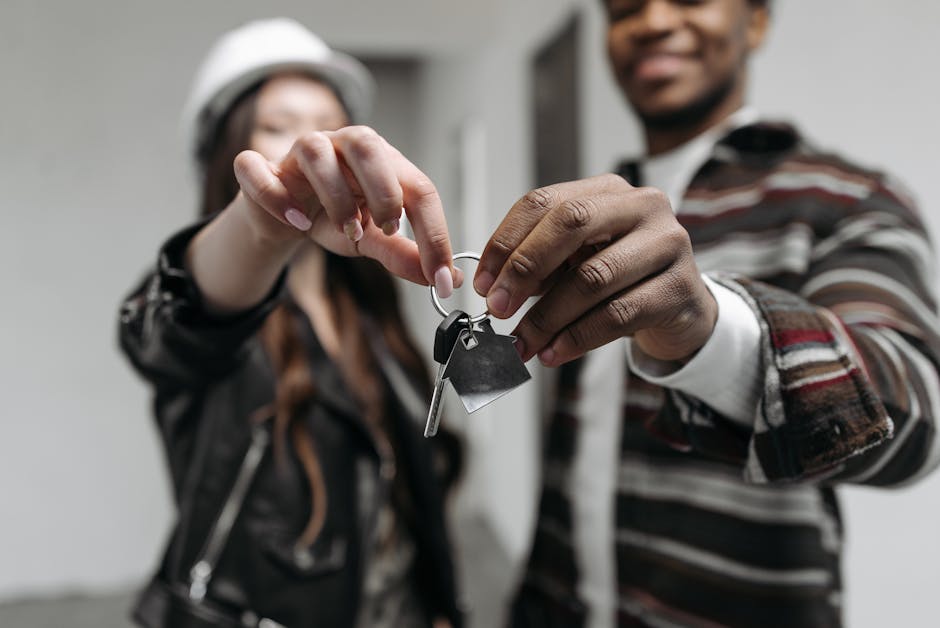
Quiet enjoyment is a legal term that pops up in every residential lease, whether you write it in or not. It means the tenant has the right to use the property free from unreasonable interference from the landlord. You can’t just pop in whenever you feel like it, and you definitely can’t take away their ability to come and go as they please. Demanding their keys—their means of possession—is a massive interference. It essentially says, “I don’t trust you to protect my property while you’re gone, so I’m taking control.” Even if you promise to only use it in emergencies, you’re still requiring them to surrender their access. That’s a red flag for most judges.
Why a Lease Clause Won’t Save You
Some landlords think they can side-step this by adding a clause to the lease requiring keys for long absences. Here’s the thing: a clause that contradicts fundamental tenant rights like quiet enjoyment often won’t hold up in court. I’ve seen it happen—a landlord in my local association ended up in small claims court after a tenant refused to hand over keys before a two-week vacation. The judge ruled that the clause was unenforceable and awarded the tenant damages for the landlord’s overreach. I’m not a lawyer and this isn’t legal advice, but I’d never put my faith in a clause that flies in the face of common law. Always check with a qualified attorney before you try to enforce something like that.
The Better Way: Your Own Spare Key

So what’s a responsible landlord to do? You keep a spare key—but you keep it for true emergencies only. Emergencies mean water gushing from a burst pipe, a fire alarm going off for hours, or a broken window that leaves the place unsecured. Not “I wanted to make sure the plants are watered” or “I noticed the mail piling up.” Before you enter, you still need to give the tenant reasonable notice if you can (though in a true emergency, you can enter without it). I always kept a spare key in a sealed envelope in a lockbox that only I could access, and I documented every entry—date, time, reason, and what I did. If the tenant knows you have a key solely for emergencies and you’ve respected their privacy, they’re far less likely to push back.
Address Your Real Fears
I get it—when a tenant leaves for a long stretch, that empty unit keeps you up at night. What if a leak goes unnoticed? What if someone breaks in? You can manage these risks without overstepping. Ask the tenant to write down the contact info of a local friend or family member who’s checking in on the place. Some landlords even request a courtesy notice when tenants will be away for more than a week, solely so you can bump up your drive-by checks and make sure the exterior looks fine. That’s reasonable. Your property insurance might have its own requirements for extended vacancies—some policies dictate that someone must check the unit every 72 hours if it’s empty beyond a certain period. That still isn’t a reason to demand keys; it’s a reason to ask for a local contact who can do those checks. Demanding their keys crosses the line from cautious to controlling.
When a Tenant Pushes Back

If you’ve ever had a tenant say, “I’m not giving you my keys, and I’m going abroad for a month,” don’t panic. You can’t force them, and trying to do so often escalates into a fight they’ll win. Instead, document your emergency access policy clearly in the lease or a move-in memo. Outline exactly what constitutes an emergency and how you’ll handle it. Most tenants will understand—they want their home protected too. But if they still refuse to even acknowledge your spare key, you can’t retaliate or lock them out. The law is on their side here.
The Bottom Line
Demanding a tenant’s keys when they travel abroad for more than seven days is almost certainly illegal in most places. It tramples on quiet enjoyment, and a court won’t look kindly on it. Your role is to protect the property from the outside, not take the keys from your tenant’s hand. Keep a spare for emergencies, communicate openly, and sleep easier knowing you’re staying on the right side of the law.