
September 10, 2026 · Maintenance
Who Replaces Expired Fire Alarms and CO Monitors in a Rental?
Landlords supply detectors, so landlords track expiry dates and replace them. Here's the system I used to stay on top of smoke and CO alarms.

A tenant rang me about five years ago. The smoke alarm on her landing was chirping, and she wanted to know if it was her job to change the battery. I told her no, that one's on me. Then I got there and found the alarm itself was stamped with a manufacture date seven years earlier. It wasn't a battery problem. The whole unit had to go.
The answer in almost every UK private tenancy is the landlord. If I supplied the detector, I track it and I replace it.
The manufacturer's expiry date is not optional
Smoke alarms and heat alarms don't last forever. Most sealed-battery smoke alarms carry a ten-year service life from the date of manufacture. Carbon monoxide (CO) monitors usually run five to seven years, depending on the model. After that, the sensor inside can lose sensitivity. It might still test beep, but it won't reliably catch the thing it's meant to catch.
When I managed my units, I treated that printed date as a hard deadline. If I couldn't read a date, I replaced the unit. A detector with no legible expiry date is a detector I can't prove is safe. That's a risk I won't take.
The law in England points at the landlord

In England, the Smoke and Carbon Monoxide Alarm (England) Regulations 2015, amended in 2022, require landlords to ensure at least one smoke alarm is installed on each storey used as living accommodation. They also require a carbon monoxide alarm in any room with a fixed combustion appliance like a gas boiler or wood burner. Gas cookers are exempt. Scotland and Wales have their own rules, and I'm not a lawyer, so check what applies where your property sits.
The regulations also say a landlord must make sure those alarms are in working order on the day a new tenancy starts. After that, the tenant has a general duty not to interfere with them, but the responsibility to replace expired units stays with whoever supplied them. That's me.
How I kept track without losing my mind

I'm not naturally organised, so I built a system that did the remembering for me. Every time I installed a new smoke alarm or CO monitor, I wrote the installation date and the expiry date on a small label stuck to the detector. I photographed it. I added a calendar reminder for six months before the expiry date, and another for the week after.
During each property inspection, I took a photo of the date stamp and compared it to my records. If the alarm was older than seven years, I swapped it there and then, even if it still tested fine. The cost of a new detector is less than the cost of explaining to an insurer why a dead one was still on the ceiling.
What I told tenants when they asked
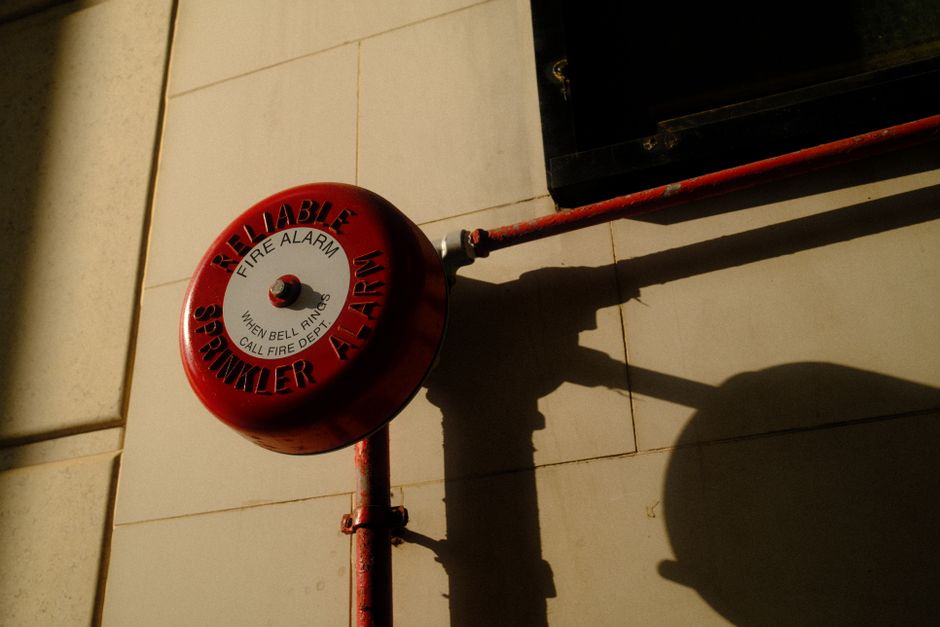
Tenants do have one job with alarms: they should test them. I always said to test the smoke alarm once a month by pressing the test button. If it chirps for a battery, that's usually their job to replace the battery if it's a removable one. Sealed-battery units can't be opened, so if one of those chirps, I wanted a call straight away.
But replacing the detector because its service life has ended is not a tenant job. It's a maintenance item on the property, like a boiler service. I never expected a tenant to know what a photoelectric sensor looks like or read a date code on the side.
The mistake that costs landlords most
The most common mistake I saw with new landlords was assuming a beeping alarm at the end of its life is the same as a flat battery. A tenant presses the button, it beeps, they think it works. The sensor could have failed three years ago and nobody would know. That's the dangerous part.
Another mistake was only checking alarms when a tenant moved out. If a CO monitor expired six months into a two-year tenancy, that tenant lived with a dead monitor for eighteen months. I'd rather be early than late. I once sold a building where the buyer's surveyor flagged one detector as six months from expiry. It delayed completion by two weeks.
Set your reminders. Check the dates during inspections. I'd rather swap a detector a year early than a month late.