
October 13, 2026 · Maintenance
When Termites Are Only in the Garden, Don't Walk Away
Active termites in garden timber don't always mean the house is infested. Here's how to inspect, negotiate, and protect the property before you buy.
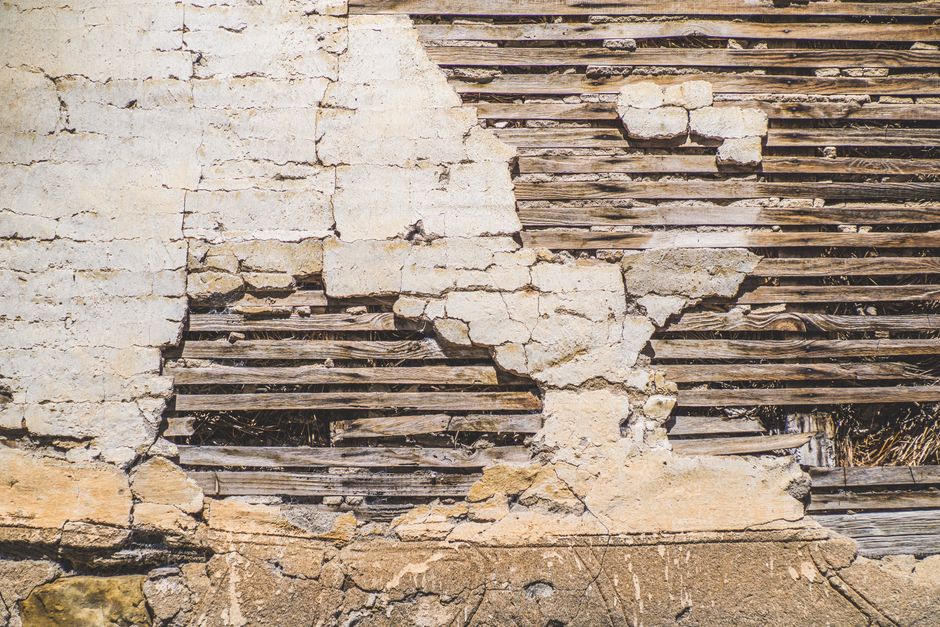
I've taken that call more than once. A buyer has the pest report in hand, the words "active termites" circled, and they're ready to walk away from a perfectly good house because the garden timber is being eaten. Take a breath. Garden termites are common, and they don't have to kill the deal.
What garden termites actually mean
"Active termites" means live termites are currently feeding on wood. In most parts of Australia, that wood could be an old fence post, a timber retaining wall, a pile of firewood, or even deep mulch. The termites that cause structural damage are subterranean termites, which live in soil and travel through mud tunnels to reach timber. Finding them in the garden tells you they're nearby. It doesn't tell you they're inside the house.
I once inspected a property with a completely hollowed-out pine retaining wall fifty metres from the house. The internal inspection found zero termite damage inside. The soil around the slab was dry, the slab edge was exposed, and the termites had plenty of softer, rotting garden timber to eat instead. That buyer calmed down fast.
The real question is whether the house itself has been inspected properly. A visual inspection from a licensed pest inspector should cover the subfloor, roof void, internal timbers, and the perimeter. If that report says no evidence of termite activity or damage in the house, you're in a strong position to negotiate rather than run.
When garden termites are a warning sign

A timber deck attached to the house two metres from the back door is a different story. Deck timbers can act like a bridge from the soil to your house. I saw that once, and the seller didn't even know the deck had termites. The house itself was clean, but we asked for a full treatment of the garden timbers and a termite barrier before settlement.
A termite barrier is a chemical or physical zone around the foundation that kills or repels termites. A baiting system is a series of stations placed around the property that contain a slow-acting poison the termites carry back to the colony. Both work, but they need monitoring. In my experience, a professional treatment for garden timber plus a barrier or baiting system runs around five thousand dollars. That's a known number you can take to the seller.
Most sellers would rather pay that than lose the sale over garden timber. You can ask for it in the contract conditions. If the seller refuses, then you decide whether the cost is worth absorbing yourself. For a house you'll rent out, five grand to protect a six-figure asset is usually a reasonable maintenance decision.
What I'd do before settlement

First, get the internal inspection report in writing. If it's clear, ask the seller to cover the treatment and install a termite management plan. A termite management plan is a schedule of professional inspections, usually every six to twelve months, plus any necessary treatments. That ongoing protection matters more than the garden activity itself.
Second, remove or treat the infested garden timber. If it's a retaining wall or fence, get it replaced or at least treated and kept away from the house. Mulch beds against the foundation are also an open invitation. I always kept garden beds back from the slab edge by at least thirty centimetres.
Third, check your local rules. In my state, sellers had to disclose known termite damage to the house, but garden timber wasn't always covered. I'm not a lawyer, so check what applies where you're buying.
If the internal inspection does find termite activity or past structural damage, that's a different conversation. Get a builder to quote the repair. Renegotiate the price or walk. Garden termites alone shouldn't scare you off. House termites are the ones that matter.