
November 1, 2026 · Tenant Relations
Why I Never Store a Departing Tenant's Belongings in My Garage
A departing tenant asked to store belongings in my garage. Here's why I declined and what every new landlord should consider before saying yes.

The text came through two days after the final inspection. "Can we leave some boxes in the garage until our new rental is ready? Just a few weeks." I didn't even have to think about it. I've been asked that question at least a dozen times over the years, and my answer has always been the same. No.
It's not that I don't sympathise. Moving is chaotic, and the gap between one lease ending and another starting is a real problem. But as the owner, agreeing to store a former tenant's belongings is one of the easiest ways to turn a clean handover into a messy dispute. And once the tenancy is over, you're no longer their landlord. You're just someone holding their stuff, and that's a role nobody should volunteer for.
The request feels harmless, but it changes the legal relationship
When a tenant hands back the keys and you accept vacant possession, the residential tenancy agreement is done. The bond gets returned according to the exit condition report, and any leftover items become a separate legal matter. If you agree to let them store belongings in your garage "for a few weeks", you've created a new arrangement that isn't covered by the tenancy laws. You're now a bailee, someone who has possession of another person's goods. That comes with duties to keep them safe, and if something goes wrong, the former tenant can claim you were negligent.
I'm not a lawyer, and this isn't legal advice, but I've seen how quickly "just a few boxes" turns into a dispute over a scratched toolbox or a missing lamp. The tenancy tribunal won't help you sort that out. It's outside their scope.
What can go wrong in the garage

Here's the part most new landlords don't consider. You're not just giving up space. You're taking on risk.
Insurance. Your landlord insurance covers the building and, depending on the policy, your contents as the owner. It doesn't cover a tenant's personal belongings. If there's a fire, a break-in, or a storm and water gets into the garage, whose insurer pays? The tenant might have their own contents insurance, but if they don't, they might look to you. Even if you're not at fault, defending a claim costs time and stress.
Then there's the issue of retrieval. What happens if they don't come back when they said they would? Or they come back and claim something is missing? Or they decide the garage is now free storage for six months? In most states, abandoned goods left at a rental have a specific process: you must issue a notice, wait a set period, and then dispose of the items. But that process generally applies to goods left behind from a tenancy, not goods you agreed to store after the tenancy ended. Once you've made a separate storage agreement, you're in a grey zone. You might have to apply to a court to get an order to sell or dump the stuff, and that's a headache nobody needs.
I once had a departing tenant ask to leave a motorbike in the carport for "two weeks max". I said no. A colleague of mine said yes to a similar request and ended up with the bike still there four months later, the tenant not answering calls, and the landlord paying for a storage locker because the bike was in the way of a new tenant's car. That's not a position you want to be in.
My standard response

When a departing tenant asks me to store belongings, I keep it simple. I tell them I can't accommodate the request because the property needs to be vacant for the new tenant or for maintenance. I remind them that the lease ends on the agreed date and vacant possession is required. I don't get into a long explanation about liability, because that just invites negotiation. If they push, I say my insurance doesn't cover their goods, and I can't take that risk.
Sometimes they offer to pay. That doesn't change my answer. Storage fees might sound like a nice little earner, but you're not a storage facility. You don't have a written storage agreement, you don't have the right insurance, and you don't want to become a commercial storage operator by accident.
The better solution is to point them to a self-storage place, or suggest they ask a friend. There are storage facilities everywhere, and many offer short-term options. It's their responsibility to arrange their own move, not yours.
Keep the handover clean
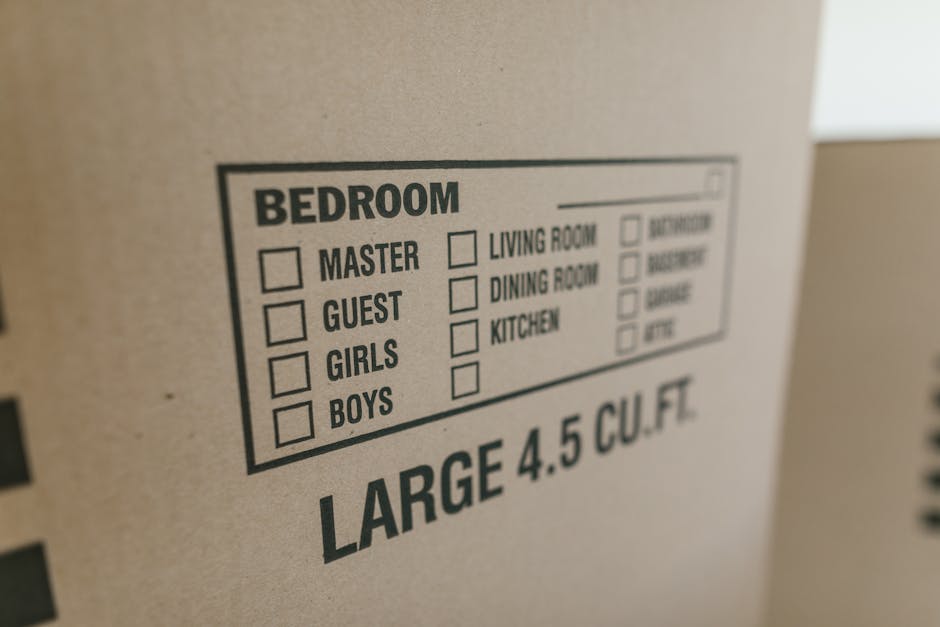
The end of a tenancy should be a clean break. You do the final inspection, compare it to the entry condition report, return the bond according to the result, and move on. Any lingering items, even "just for a few weeks", keep the relationship alive. That's how misunderstandings start, and misunderstandings are what lead to claims, complaints, and bad blood.
I've managed hundreds of move-outs, and the ones that ended badly were almost always the ones where the landlord tried to be helpful beyond the lease terms. Being a good landlord doesn't mean saying yes to every request. It means being clear about the boundaries from the start and following the rules. When the tenant hands back the keys and you've agreed on the bond, the tenancy is over. Keep it that way.