
August 24, 2026 · Legal
When Your Commercial Landlord Skips the Outgoings Reconciliation
A missing year-end outgoings reconciliation can mean you're overpaying or building a surprise debt. Here's how to request it and protect your cash flow.

I'm a retired residential property manager, but I've helped family members with commercial leases, and there's one thing that comes up again and again: the landlord doesn't send the year-end outgoings reconciliation. Even if you're new to commercial tenancy, this is a normal part of the lease, and you shouldn't let it slide.
What an Outgoings Reconciliation Actually Is
In many commercial leases, you pay base rent plus your share of outgoings—the property's operating expenses like council rates, water, insurance, common area maintenance, and management fees. During the year, the landlord usually estimates those costs and charges you a monthly or quarterly instalment. After the financial year ends, the landlord should tally up the actual outgoings and issue a reconciliation: a statement comparing what you paid in estimates against what the expenses actually were. If the estimates were too high, you get a credit. If they were too low, you owe the difference.
Why a Landlord Might Not Send It

Sometimes it's just disorganisation—a property manager changed, the books are messy, or the landlord doesn't realise the deadline has passed. Other times, the reconciliation might show the landlord owes you money, and they're in no hurry to hand it back. But don't assume the worst; more often than not, it's an oversight. Either way, you're the one left in the dark.
Start With the Lease Clause

This is where I always start. Pull out your lease and find the section that deals with outgoings and reconciliation. It should spell out the deadline (often 60 or 90 days after the end of the financial year), what expenses are included and excluded, and how adjustments are handled. I'm not a lawyer, but I've read enough leases to know that the answer is usually in black and white. If the deadline has already passed, you have a clear, polite reason to ask.
Send a Formal Written Request
Don't just phone the landlord and hope for the best. Write an email or letter that references the specific lease clause and the date your financial year ended. Something like: 'Under clause 7.2 of the lease, the outgoings reconciliation for the period ending 30 June was due within 90 days. Could you please provide it within 14 days?' Keep a copy of the request and any response. That paper trail matters if you ever need to escalate.
What Could Go Wrong If You Ignore It
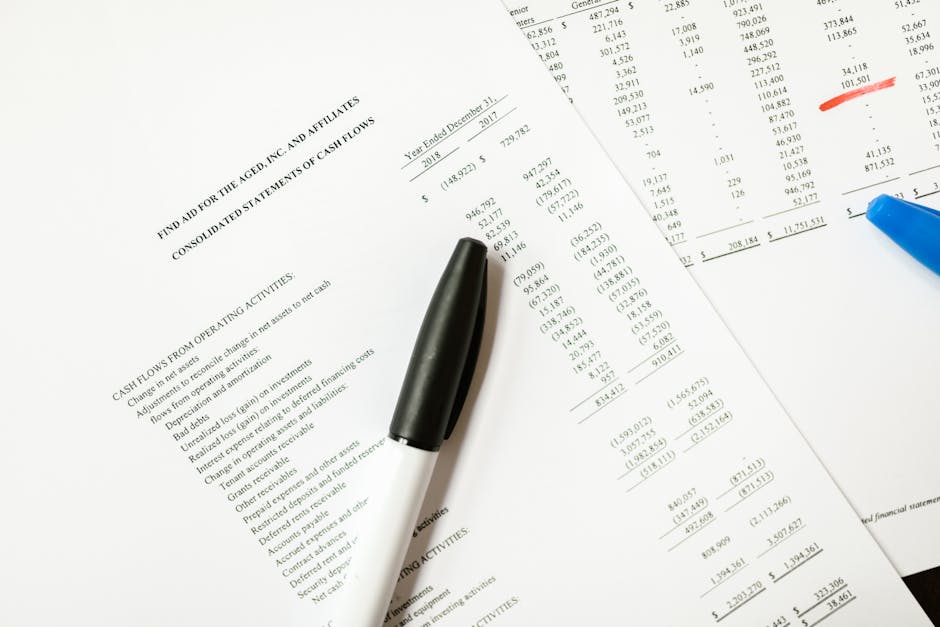
This is the part most new commercial tenants get backwards. They think no news is good news—if the landlord hasn't reconciled, maybe they don't owe anything. But the opposite can be true. You might have been overpaying on estimated outgoings for months, and that's money sitting in the landlord's pocket. Or, if the estimates were set low, you could be building up a debt you don't know about, and the landlord might come looking for it later, sometimes with interest depending on the lease. Either way, you need the real numbers to budget and plan.
If the Landlord Still Doesn't Respond
Follow up once or twice in writing. If that doesn't work, consider getting advice from a commercial tenancy specialist or an accountant who understands these leases. I never recommend withholding rent or outgoings payments to force the issue—that can put you in breach of the lease and make things much worse. Instead, keep documenting your requests. In some Australian states there are low-cost mediation services for commercial tenancy disputes, but the exact process varies, so check what applies in your area.
Getting a year-end outgoings reconciliation isn't confrontational; it's just asking for the normal paperwork your lease already promises. The sooner you get it, the sooner you know exactly where you stand.