
September 21, 2026 · Legal
Chair Indentations in Old Softwood: Fair Wear and Tear, Not Deposit Damage
Chair dents in old softwood floors are fair wear and tear, not tenant damage. A retired property manager explains why and how deposit disputes usually go.
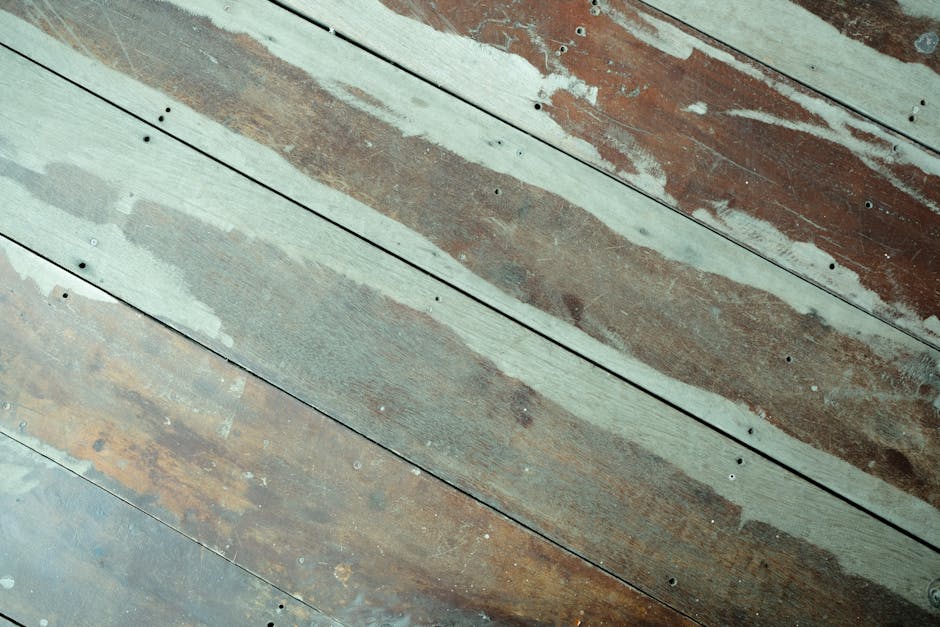
I've watched a tenant stand in their empty flat, eyes fixed on four small dents in the pine floorboards by the window, waiting for me to say something about the deposit. I didn't say anything, because those dents were from the chair they used every day at the little desk I'd left in that room. The floor was softwood, probably laid in the 1930s, and those indentations were exactly what happens when a normal person sits down to pay bills.
What Counts as Fair Wear and Tear?
Fair wear and tear is the gradual deterioration that happens through ordinary, everyday use of a property over time. It's separate from tenant damage, which is a one-off accident or deliberate misuse. A worn path in a hallway carpet is wear and tear. A cigarette burn is damage. Chair dents in old softwood fall on the wear side almost every time.
Why Old Softwood Dents So Easily

Softwood species like pine or fir dent easily because they're less dense than oak or maple. An older floor has had decades of foot traffic and seasonal humidity changes, so the fibres have softened further. A chair leg with a small surface area concentrates the weight of a person into a tiny point. Even with felt pads, indentations can appear over months. That's physics.
How Deposit Schemes See Chair Dents

In the UK, every deposit taken on an assured shorthold tenancy must be protected in a government-approved tenancy deposit scheme within 30 days. If there's a dispute at the end about deductions, the scheme's free adjudication service looks at the evidence and decides who gets what. I've been through a few of these as a landlord, and the adjudicators I've dealt with consistently treat superficial indentations in softwood as fair wear and tear unless the tenant did something exceptional like drag furniture across the room or hammer chair legs into the boards.
I'm not a lawyer, and local rules can vary, but from everything I've seen, a landlord would be hard pressed to justify a deposit deduction for chair dents on an old softwood floor. The test an adjudicator applies is whether the mark goes beyond what you'd expect from normal use of that particular surface. On a brand-new oak floor, a deep dent might be arguable. On a 90-year-old pine floor, it's the floor's character.
What I'd Do as the Landlord

I managed 11 flats across two Victorian conversions for most of the 2000s, and I only ever tried to deduct for floor damage once—a tenant had dragged a heavy wardrobe across a varnished hallway and gouged a scratch down to bare wood. That was damage. Chair dents never were. My check-in reports for period flats always noted "existing indentations and soft patches throughout softwood flooring" so there was a baseline.
If you're a tenant and a deduction is proposed for chair dents, don't just accept it. Ask the landlord to show the check-in report and photos proving the floor was unmarked before you moved in. If they can't, the deposit scheme will usually side with you. Even if the floor was perfect at check-in, indentations under 1mm deep from a normal chair are generally viewed as ordinary use. You can raise a dispute through the deposit scheme, and you don't need a solicitor. The burden is on the landlord to prove the damage wasn't fair wear and tear, and in these cases that burden is almost impossible to meet.
Adjudicators love timestamped photos and a detailed check-in inventory. If you didn't note pre-existing dents at move-in, you have no baseline to claim the tenant made them worse. For old floors, I always photographed the worst areas at waist height, not just standing up, because shallow dents vanish in normal light. Then at check-out I could show whether any new indentation exceeded the existing pattern.
Before you decide whether to deduct, ask yourself if you'd be embarrassed to explain the deduction to an adjudicator. If the answer is yes, let it go. The chair dents are the floor's way of saying it's been a home, not a showroom.