September 20, 2026 · Financing
Why a 3.5% Brisbane Yield Beats a 5% Bank Deposit
A retired property manager explains why comparing a bank deposit to a rental yield ignores leverage, tax, and capital growth. The real return is often far higher.

A landlord I managed for years pulled me aside one afternoon with a spreadsheet. He'd sold his business and had a seven-figure cheque to park somewhere. The bank was offering five percent. A unit he liked in Brisbane was renting for a gross yield of about three and a half percent. "Why would I buy that?" he asked. "The bank pays more and I don't have to fix a toilet at midnight."
He wasn't wrong about the toilet. But the comparison was flawed from the start, and it's the same mistake I see new landlords make every week. They line up the bank's rate next to the rental yield and think that's the whole story.
Leverage changes the denominator
The five percent from the bank applies to the entire amount you deposit. The three and a half percent yield is calculated on the property's full price, but you rarely pay that full price in cash. If he bought a $1,000,000 property with a 20% deposit, he'd only put in $200,000. The bank would lend him the other $800,000.
Now the rent might be $35,000 a year. Interest on the loan at, say, six percent would be $48,000 a year. That's negative cash flow of $13,000 before expenses. But his equity is only $200,000. If the property grows in value by just two percent, that's $20,000 in capital growth. On his $200,000 cash, that's a ten percent return on equity before any tax benefits. The bank deposit earns five percent on the full amount. That's a different game entirely.
And that's before you consider that with $1M, he didn't have to buy one property. He could put 20% down on four or five smaller places, borrow the rest, and spread his risk across different suburbs. The bank deposit can't do that.
Tax and inflation eat the bank's return

Then there's the tax side. In Australia, the interest on an investment loan, the council rates, the insurance, the property management fees, and the depreciation on the building and fittings are generally deductible against your taxable income. If the property is negatively geared, that loss may reduce your tax bill. The bank interest is fully taxable income. I'm not a tax adviser, so check the specifics with your accountant, but the broad picture is that property gets a lot of help at tax time.
I remember one investor who bought an older unit in a Brisbane suburb. The depreciation schedule alone gave him a paper loss of several thousand dollars a year, which reduced his taxable income from his day job. He still had to put real cash in for maintenance, but the after-tax cost was much lower than the headline yield suggested.
Inflation works against cash too. If inflation is running at three percent and you're earning five percent before tax, your real return is close to zero after tax. The property's rent typically rises with inflation, and the loan balance stays the same while the property value hopefully grows. You're paying back the bank with cheaper dollars over time.
The work is real, but so is the upside
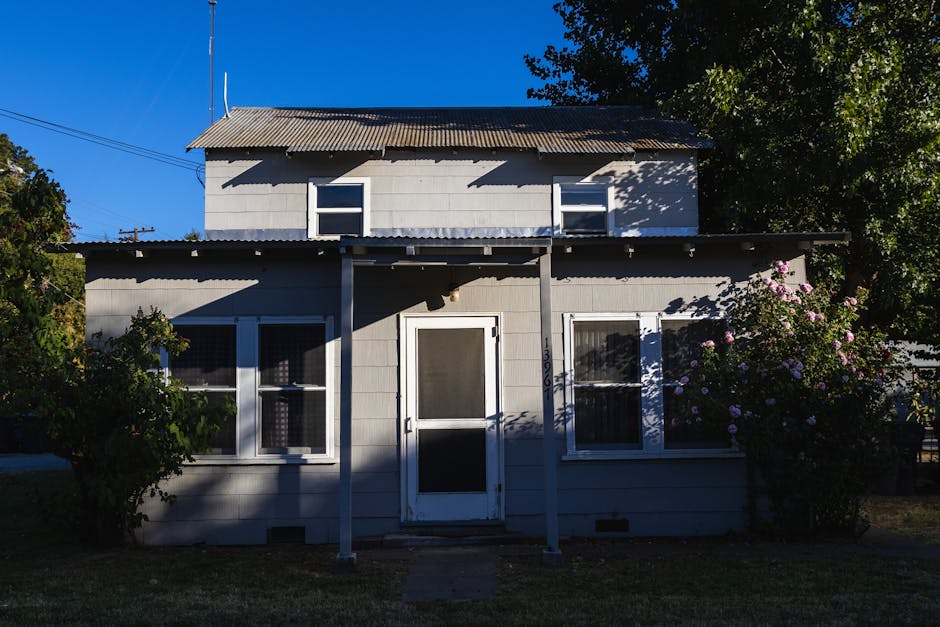
Yes, rental property means tenants, maintenance, and the occasional midnight call about a burst pipe. One tenant I had called me at 2 a.m. because a possum got into the roof. That's the reality of rental property. The bank never calls you about a possum. But that's the price of the upside.
The real return comes from rent and capital growth. Tax treatment is the cherry on top. When I hear someone say Brisbane yields are too low to justify buying, I ask one thing: what are you comparing it against? If you compare the full purchase price in cash to a bank deposit, you're missing half the story. If you compare your actual cash outlay, the loan, and the long-term picture, that three and a half percent yield starts to look a lot more interesting.