
August 15, 2026 · Financing
When Is a Rental Bathroom Replacement a Repair or Capital Works?
Water-damaged bathroom in an investment property? Here is what I learned about repairs vs capital works, depreciation schedules, and scrapping the old bathroom before you demolish.
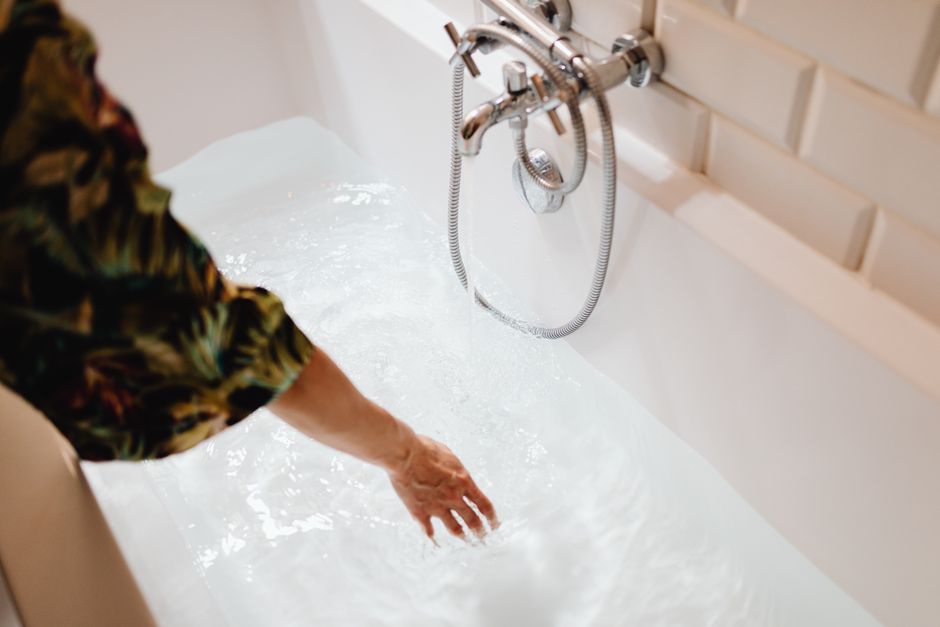
I've had my share of water-damaged bathrooms in rental properties over the years. A leaking shower pan, a cracked tile line, or a slow pipe leak behind the wall—it starts small, and before you know it, the whole room is stripped back to studs and you're standing in the middle of a full rebuild. The question I hear from new DIY landlords all the time is: 'Can I claim the whole replacement as an immediate repair on my tax?'
The short answer? Usually no. Here's how I'd think about it, and what I'd suggest you do before you swing a hammer.
Repair vs. capital improvement: why the distinction matters
When the tax office looks at a property expense, they separate repairs from capital works. A repair is something that restores an asset to its former condition without changing its character or function—like replacing a few broken tiles or fixing a leaking tap washer. You can often claim that as an immediate deduction in the year you pay for it.
But when you strip out an entire bathroom and replace the shower, vanity, toilet, tiling, and waterproofing, that's not restoring the old bathroom. That's creating a new one. Even if the trigger was water damage, the result is a substantial improvement—new materials, new layout, new everything. In Australian tax terms, that's a capital improvement, not a repair. That means you won't get the full amount back as a deduction this year. Instead, you'll claim it gradually as a capital works deduction (also known as Division 43). For a residential investment property built after a certain date, the rate is generally 2.5% per year for 40 years.
Now, I'm not an accountant and this isn't financial advice—you'll need to check your own situation and talk to a qualified tax professional. But from what I've seen across dozens of properties, the tax office almost always treats a full bathroom replacement as capital works, not a repair.
The scrapping opportunity most first-timers miss
Here's the part that catches new landlords out, and it's one of the most valuable lessons I learned as a property manager.
Before you demolish anything, get a quantity surveyor to inspect the existing bathroom and prepare a depreciation schedule (or update your current one). The reason? When you rip out the old tiles, shower screen, vanity, and even the bathtub, those items still have a remaining tax value—assuming they were part of a previous depreciation schedule and you've been claiming depreciation on them. If they're demolished and thrown away, you can often claim the remaining un-deducted value as an immediate deduction in the year you scrap them. That's called scrapping or write-off of remaining value.
Without that before-photo and before-demolition assessment, you lose the evidence. Once the old bathroom is in the skip bin, it's nearly impossible to prove what was there and what it was worth. I've seen landlords miss out on thousands of dollars of legitimate deductions simply because they didn't get the quantity surveyor in before the demo crew arrived.
So my golden rule: if you're about to replace a bathroom, kitchen, or any significant fixture, schedule the quantity surveyor first. It's a small cost compared to the deductions you might otherwise forfeit.
What I'd do step by step

If it were my rental and the bathroom needed a full gut due to water damage, here's my order of operations:
- Document everything. Take photos and videos of the damage and the existing bathroom before any work starts. Keep copies of all quotes and invoices.
- Engage a quantity surveyor. Ask them to inspect the existing bathroom and note the residual value of all depreciable assets that will be removed or destroyed.
- Talk to your accountant. Explain the scope: is it a repair of a specific damaged area, or a full replacement? They'll confirm whether it's a repair or capital works for your circumstances, and how to treat any insurance payout or excess.
- Get a new depreciation schedule for the replacement. The new bathroom items (taps, shower, vanity, exhaust fan, etc.) have their own depreciation rates, and the structural works fall under capital works at 2.5%.
- Keep every receipt and before/after photo. If there's ever a review, you'll have the evidence.
The mistake I see most often
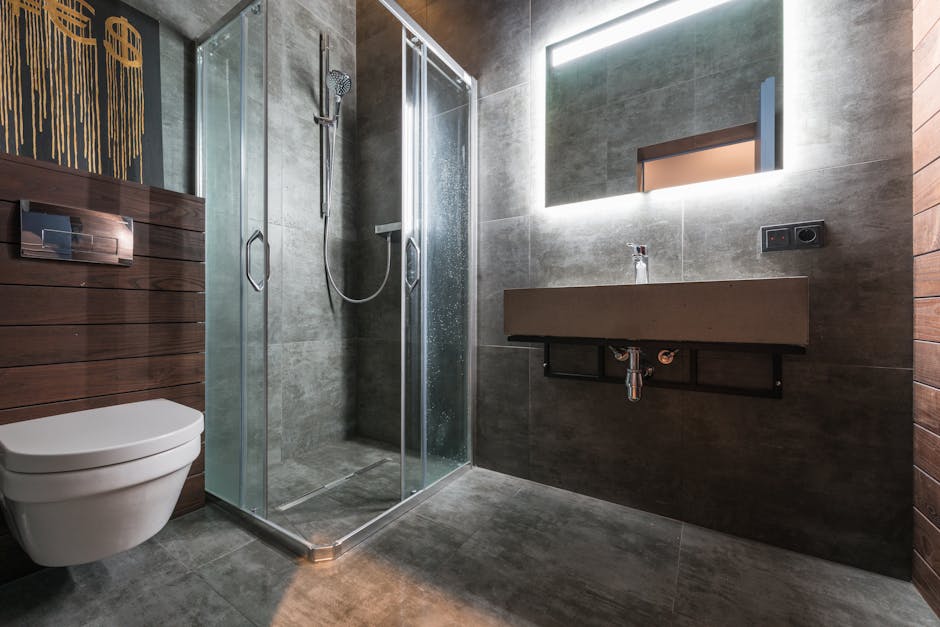
New landlords tend to think 'water damage' automatically equals 'repair.' It doesn't. The cause of the damage is less important than the extent of the work. A small patch, a re-grout, or a few tile replacements may be a repair. A complete bathroom rebuild is not.
The other mistake? Not getting scrapping assessed because the bathroom was already in bad shape before the leak. Even a worn-out bathroom has residual value in the tax system if it was previously being depreciated. You might still be able to claim something.
I've also known landlords who tried to claim the whole replacement as an immediate deduction and later had it adjusted by the tax office. That's not a fun conversation, and it can mean paying back tax plus interest. A little planning up front with the right professionals saves a lot of pain later.
Bottom line: plan before you demolish
If you're looking at a water-damaged bathroom in your rental, don't assume you can write off the whole job this year. More likely, it's a capital improvement, and you'll claim it slowly over decades. But you can soften the blow by scrapping the old bathroom properly—and that requires a quantity surveyor before the first tile comes off.
Get your depreciation schedule sorted, talk to your accountant, and make that phone call before you pick up the sledgehammer.