Capital improvement
Tax
Definition
Work that betters the property, restores it, or adapts it to a new use — a new roof, an added bathroom, a full rewire. It is added to cost basis and depreciated over years rather than deducted all at once, unlike a repair.
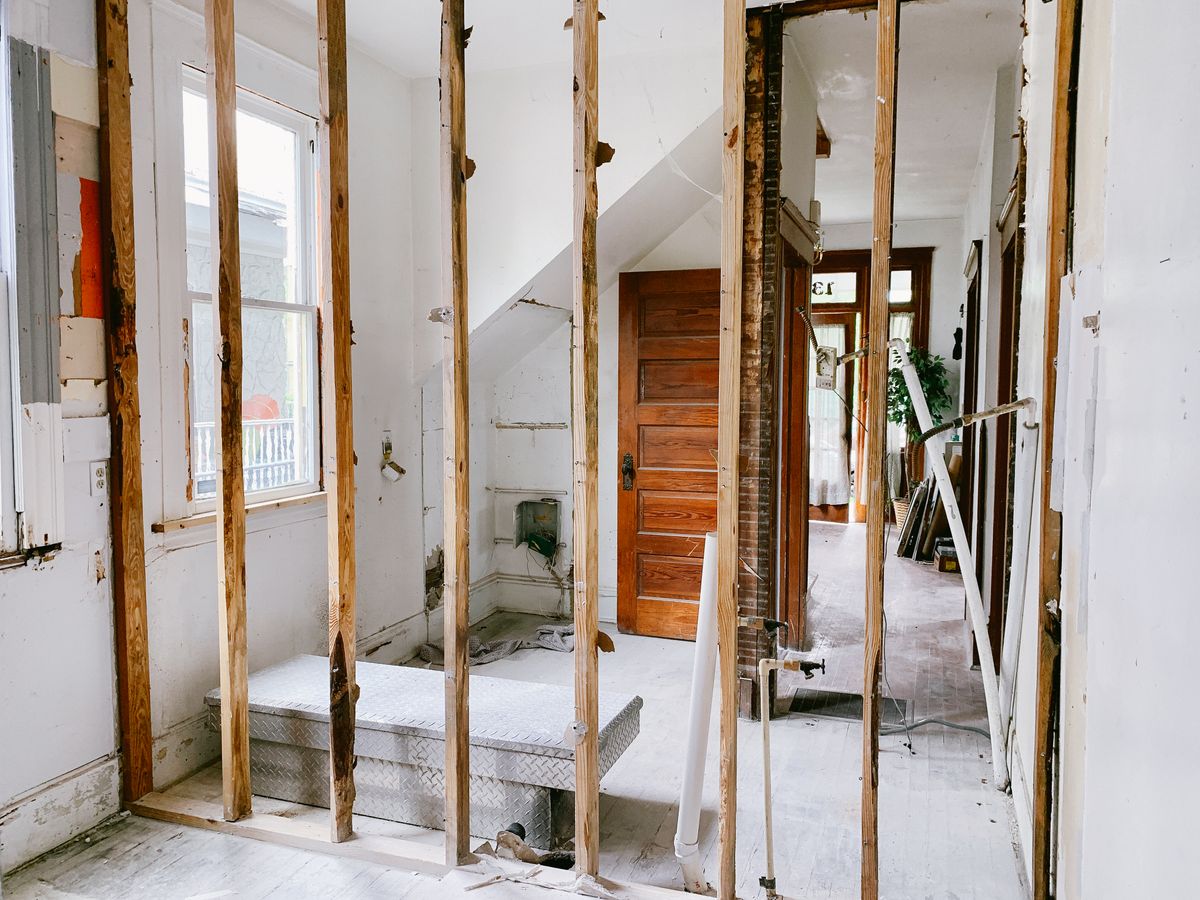
Photo: Monica Silvestre · Pexels
What it means
A capital improvement is work on a property that goes beyond keeping it running. Instead of deducting the cost in the year you pay it, you add it to cost basis and recover it slowly through depreciation.
The IRS frames the test as three questions, sometimes called the BAR test. Does the work:
- Better the property — make it materially better than it was, add capacity, upgrade quality?
- Adapt it to a new or different use?
- Restore it — rebuild it to like-new condition, replace a major component, or fix damage you already claimed a loss on?
Answer yes to any of them and you are generally looking at an improvement. A new roof, an added bathroom, a full rewire, replacing the HVAC system, finishing a basement.
The contrast is a repair, which keeps the property in ordinary working condition without upgrading it. Patching the roof leak, replacing a broken window, servicing the furnace. Repairs are deductible expenses in the year you pay them.
The line between the two is genuinely blurry in practice, and reasonable professionals disagree about specific jobs. There are also safe harbor provisions — for small amounts, for buildings under a certain basis, and for routine maintenance — that can allow expensing work which would otherwise be capitalized. Those have conditions and elections attached, and they are worth confirming with a CPA rather than assuming.
Why it matters
The classification decides when you get the deduction, and the timing gap is large.
Spend $18,200 on a new roof. Treat it as a repair and you deduct $18,200 this year. Treat it correctly as an improvement and you deduct $661.82 this year — and again for 27.5 years. The total deduction is identical. The cash-flow difference in year one is $17,538.
That gap is exactly why misclassification is a common audit adjustment. Expensing a large improvement pulls a deduction forward by decades, and the correction comes with interest and possibly penalties.
There is a second reason that matters more than most landlords realize. Improvements increase basis, and basis reduces your taxable gain when you sell. That $18,200 roof reduces your eventual gain by $18,200 — but only if you documented it. Landlords who expensed improvements informally and kept no records lose the deduction twice: disallowed now, and unavailable at sale.
How it works in practice
Compare the same property with two different jobs in the same year.
| Repair | Improvement | |
|---|---|---|
| The work | Patch a roof leak | Replace the whole roof |
| Cost | 1,850.00 | 18,200.00 |
| Where it goes | Schedule E line 14 | Added to cost basis |
| Deducted over | This year | 27.5 years |
| This year's deduction | 1,850.00 | 661.82 |
The useful mental test is restore versus maintain. Patching a leak maintains a roof that is doing its job. Replacing the roof restores the building to like-new condition on a major component — that is a restoration under the BAR test regardless of how urgent it felt.
Some cases sit awkwardly between the two and are worth naming:
- Replacing an appliance. Usually depreciable, though often over five years rather than 27.5, and small amounts may qualify for a safe harbor.
- Repainting. Ordinarily a repair. Repainting as part of a larger renovation is usually capitalized along with the rest of the project.
- Replacing half the windows. Frequently a repair. Replacing all of them is more likely a restoration. The proportion of the component replaced matters.
- Work before the first tenant. Costs to get a newly acquired property ready to rent are generally capitalized rather than expensed, even when the same work would be a repair later.
When a job is genuinely ambiguous, what protects you is the contemporaneous record: the invoice, a description of the scope, and a short note on why you classified it the way you did.
Common mistakes
- Expensing a large improvement to get the deduction now. The most common and most expensive error. It reverses on review, with interest.
- Splitting one project into several invoices. Breaking a $20,000 renovation into four $5,000 bills to slip under a safe harbor threshold does not work — the test looks at the project.
- Capitalizing correctly and then never depreciating it. Landlords add the roof to basis and then forget to actually claim the resulting annual deduction. The deduction is real; take it.
- Treating pre-rental work as repairs. Getting a property ready for its first tenant is generally capitalized, even for work that would be a repair once it is in service.
- Losing the invoice. An improvement you cannot document does not reduce your gain at sale. Ten-year-old paperwork is worth real money.
- Assuming a safe harbor applies without electing it. Several of these provisions require an election on a timely filed return, not just a judgment call.
How BareBones PM helps
The capitalize-or-deduct decision is easiest at the moment the invoice arrives, with the scope in front of you — and hardest in April, reconstructing intent from a bank line that says a hardware store's name and an amount.
BareBones PM lets you record the classification when you enter the transaction. A repair goes into the ledger as an expense against the property. An improvement is recorded as a depreciable asset instead, with its own in-service date and schedule, so it starts depreciating correctly rather than disappearing into the year's expenses.
The invoice attaches to the entry either way. That matters far beyond the current tax year: when the property sells eight years later, the improvements that reduce your gain are still listed against the property with their documentation intact.
At year end, repairs total to the Schedule E repairs line and improvements total into the depreciation line, already separated — no scrolling back through twelve months of transactions trying to remember which roof job was which.
For the practical boundary between the two, see What landlords can actually deduct.
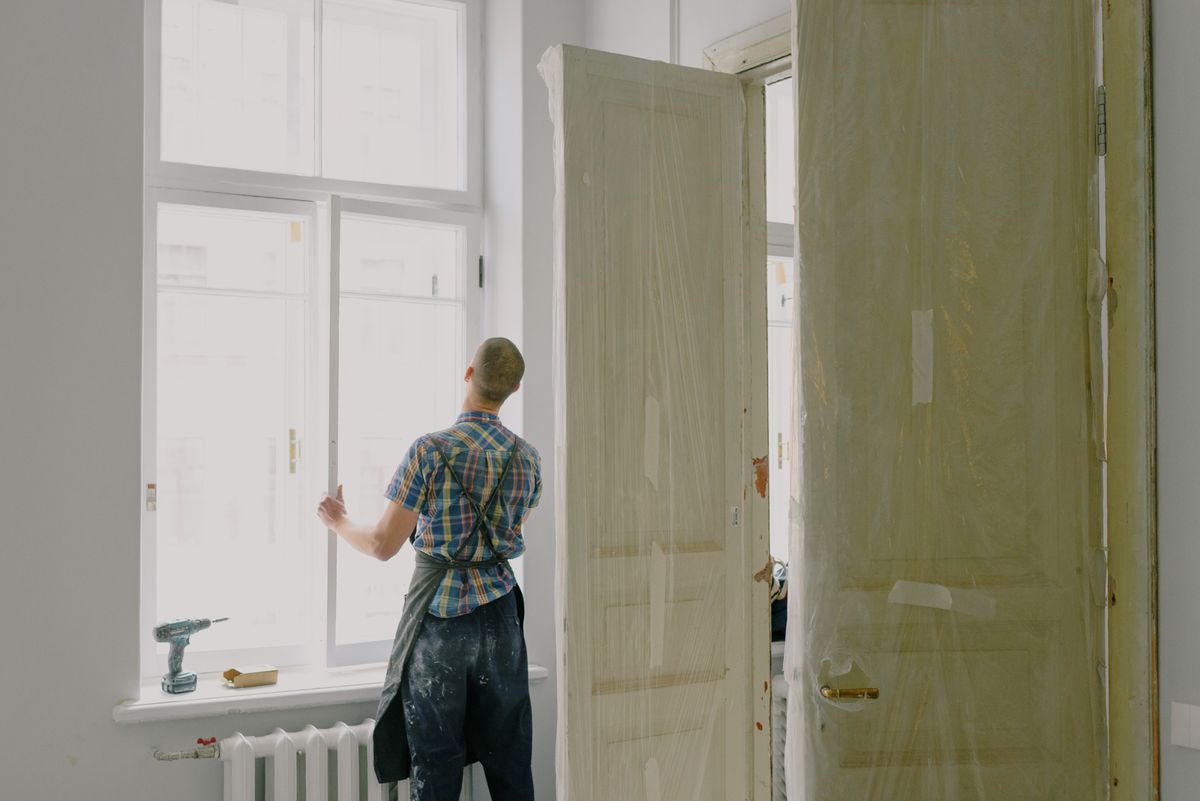
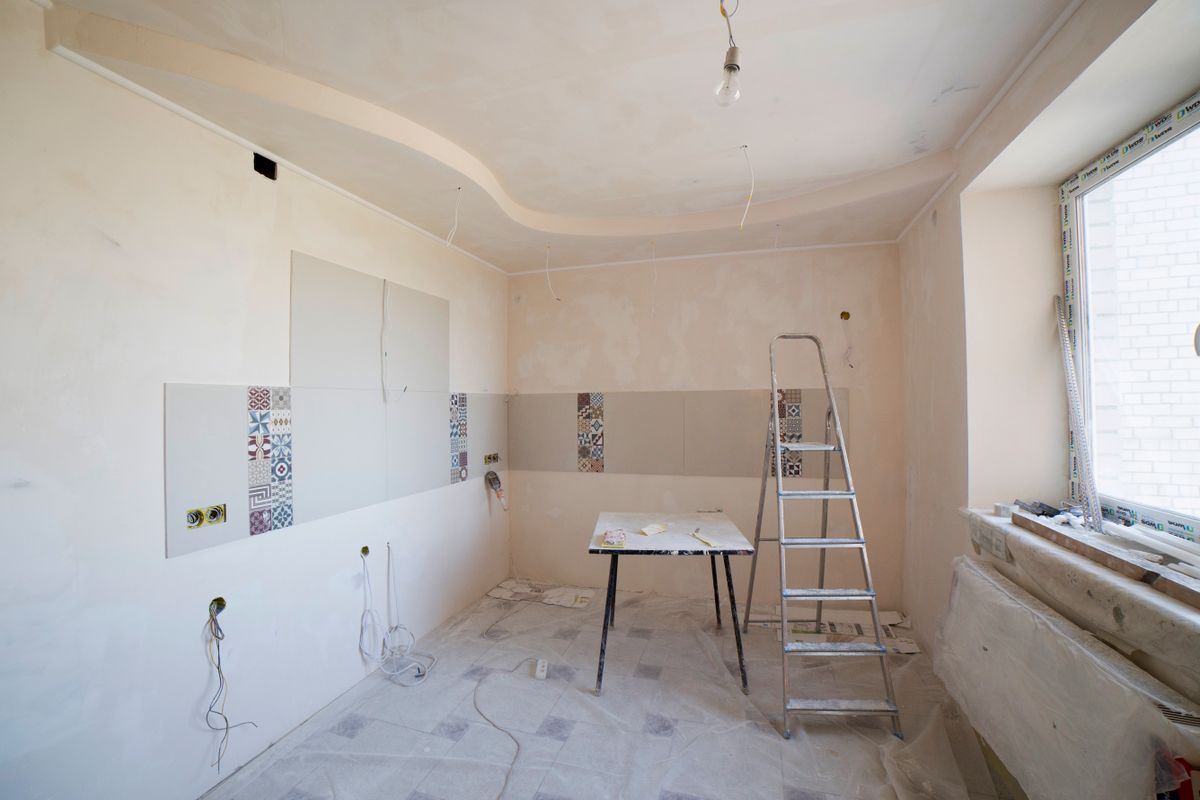
Photos: Ksenia Chernaya, Valentin Ivantsov · Pexels
Related terms
- Deductible expenseAn ordinary and necessary cost of operating a rental that you subtract from rental income in the year you pay it — repairs, insurance, management fees, mortgage interest, travel to the property. It lowers taxable profit dollar for dollar.
- DepreciationThe annual deduction that recovers the cost of a rental building over 27.5 years. You deduct a slice of the building’s value each year even though no money leaves your account, which is why a profitable rental can still show a tax loss.
- Cost basisWhat the property cost you for tax purposes — purchase price plus buying costs and capital improvements, minus any depreciation already taken. It sets your annual depreciation deduction and your taxable gain when you sell.