
August 25, 2026 · Legal
What to Do When a Prospective Tenant Trespasses Before Signing the Lease
A prospective tenant entered your rental without permission and now claims you had a deal. Here's how I protect myself—no signed lease, no payment, no binding agreement.

No Lease, No Payment, No Binding Agreement
When I managed rental properties, I learned that a lease is a two-way street. It's a binding contract that spells out the terms of tenancy, and in almost every case, it needs two things to be enforceable: a signature from both parties and some form of consideration—usually the first month's rent or a security deposit. If a prospective tenant never signed the lease and never handed over a dime, there's no binding agreement. In most states, real estate contracts also fall under something called the statute of frauds, which means they have to be in writing to be valid. I'm not a lawyer, so check your local rules, but generally, a handshake or a verbal "sounds good" doesn't create a tenancy.
The tricky part is when that person does something like show up uninvited and start moving boxes into your vacant unit. That's trespassing—entering property without permission—and it can quickly turn into squatting, which is occupying a property with no legal right to be there. Your first job is to make it crystal clear, in writing, that no agreement exists. I'd send an email and a certified letter (keep the receipt) stating: "No lease was signed, no payment was received, and you do not have permission to enter or occupy the property." That paper trail is your best friend if they later try to claim you had a deal.
Secure the Property Right Now

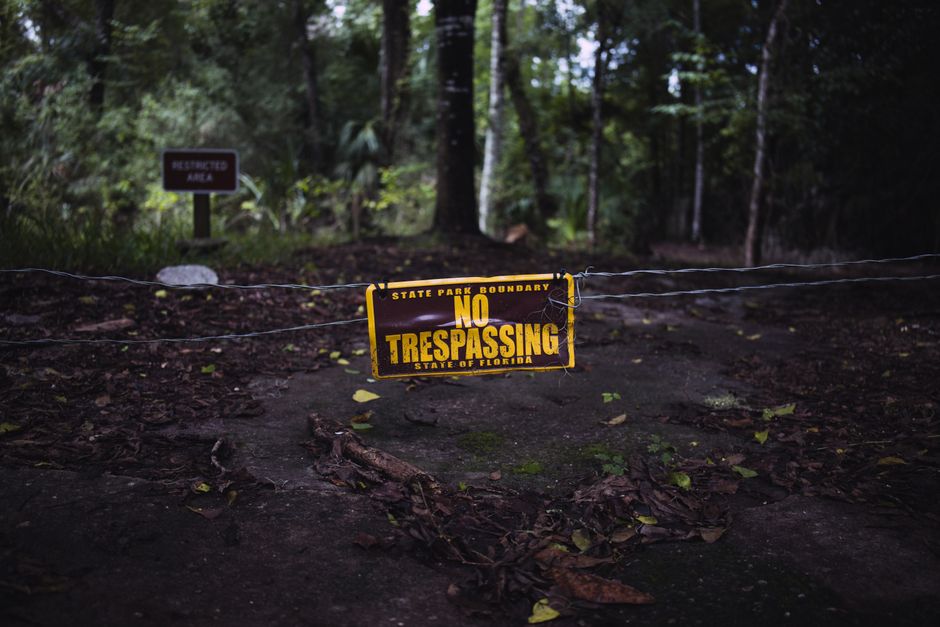
The next thing I'd do is treat the property like Fort Knox. If there's no gate, put one up. Post no-trespassing signs on every entrance. Install a camera or two—even a cheap trail cam works—so you have video evidence if they come back. If they were given a door code or a key during a showing, change it immediately, even if you're not sure they copied it. In my experience, a determined trespasser will test every weak point, so lock windows, add deadbolts if you can, and make sure the property looks occupied or monitored.
I once had a guy show up at a vacant single-family home I was managing. He had never even toured it—he just saw the "For Rent" sign and decided to start cleaning the yard, claiming he was "getting it ready to move in." I called the sheriff's office, and they removed him for trespassing. After that, I put up signs and a camera, and he never came back. The deputy's advice was simple: secure the property and call us the minute you see him again. That's what I'd tell any new landlord.
Report It to Law Enforcement

Don't be shy about calling the non-emergency line for your local sheriff or police department. Explain that a prospective tenant entered your property without permission, no lease was signed, and you're worried they might return. Ask them to document the incident. In many areas, you can also file a formal report for criminal trespassing. That report number is gold if the person later claims they had a right to be there. It shows you took the threat seriously from day one.
If they do come back and you catch them on camera or in person, call 911 (or your local emergency number) and tell the dispatcher you have a trespasser on your rental property who has no lease and no legal right to be there. Let the police handle it. Do not confront them yourself—it's not worth the risk. Once law enforcement removes them, consider asking for a copy of the incident report to keep in your file.
What If They Claim a Verbal Agreement?
Some tenants will argue that you had a verbal agreement. I've heard it all: "You said I could move in next month," or "I already gave up my other place because of you." That's frustrating, but you don't have to argue. In most jurisdictions, a verbal lease for a term longer than one year is unenforceable under the statute of frauds. Even for shorter terms, the absence of any payment and the lack of a signature work in your favor. I'd respond politely but firmly: "I understand you're disappointed, but no lease was signed and no payment was made. I'm not able to proceed. Please direct any further questions to my attorney." Then stop engaging. The more you go back and forth, the more material they have to twist.
Remember, your main goal is to prevent them from ever establishing possession. If they somehow get inside and start living there without your permission, you could be facing an eviction, which is a legal process to remove a tenant. But since they were never a tenant, it should be a criminal trespass, not a civil eviction. However, some police departments are reluctant to get involved if there's any hint of a landlord-tenant dispute, so having your paper trail—no lease, no payment, no permission—is essential to show it's a trespassing situation, not a tenancy gone bad.
My Bottom Line
I've been in this business long enough to know that vacant properties attract all kinds of problems. A prospective tenant who trespasses before signing a lease is a red flag, but it's usually a solvable one if you act fast. Secure the property, document everything, involve law enforcement, and don't engage in a debate about whether a deal existed. In almost every case, the law is on your side. You just have to show that you did everything right.