August 17, 2026 · Financing
Should I Sell My Rental Property or Hold On? My Honest Take as a Retired Landlord
When mortgage costs rise and EPC upgrades loom, selling a rental can feel right. Here's my cash flow first approach, plus what I'd do about CGT and tenants.

I've been asked this exact question dozens of times over the years, and I've lived it myself. A property that used to break even suddenly starts losing money when the fixed-rate mortgage ends and the new rate doubles. Add in the threat of costly energy efficiency upgrades and a potential capital gains tax bill, and it's no wonder you're torn.
I'm not a lawyer or a tax adviser, and this isn't legal or financial advice — just what I'd think through if I were in your shoes.
The First Question: Is the Property Actually Losing Money?
Forget appreciation for a minute. Appreciation is a bonus, not a business plan. The first thing I do is write down the real cash flow.
Let's say your mortgage payment jumped from £800 to £1,200 a month, but your rent is £1,000. You're now £200 in the red every month — £2,400 a year. That's before you've spent a penny on repairs, insurance, or void periods. If the property can't cover its own costs from rent, it's no longer an investment; it's a liability you're subsidising.
The Mortgage Interest Trap: Only the Interest Is Deductible

Here's the bit many new landlords get wrong. When you calculate your taxable rental profit, you can't deduct the whole mortgage payment. Only the interest element is deductible as a finance cost — and even then, for higher-rate taxpayers, relief is restricted to the basic rate. The capital repayment part of your mortgage is not deductible at all.
So if your £1,200 monthly payment is £700 interest and £500 capital, you can only claim the £700 interest against your rental income. Yet the bank still takes the full £1,200 out of your cash flow. That mismatch is exactly why a property can look 'profitable' on paper but still drain your bank account every month.
EPC Upgrades Are a Real Capital Cost
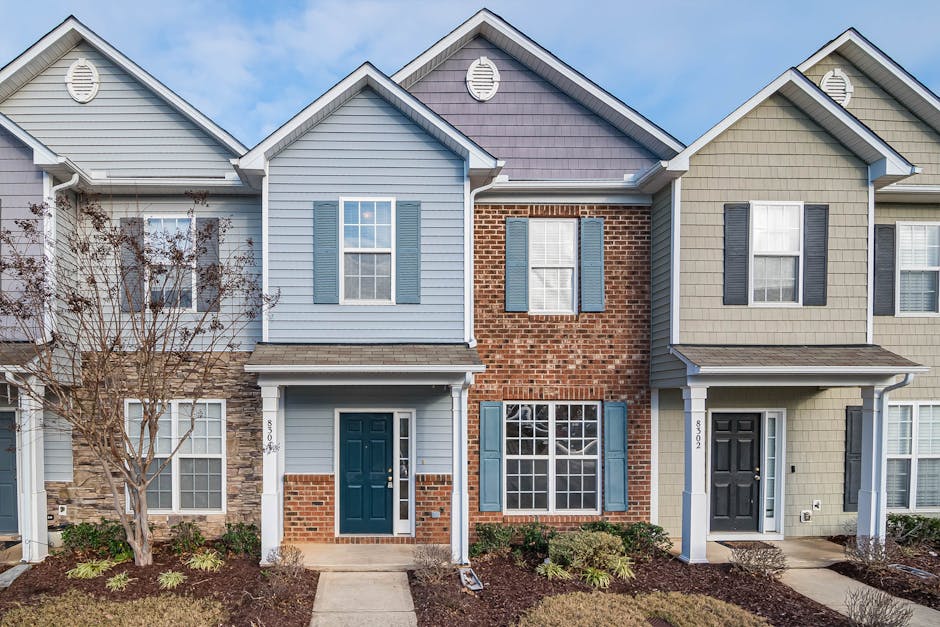
Energy Performance Certificates (EPCs) rate a property's energy efficiency from A (best) to G (worst). Current rules already require a minimum E rating for most privately rented homes, but the government has signalled it wants to push standards higher over the next decade. If your property is a D or below, you may need to spend thousands on insulation, a new boiler, or double glazing just to keep it legal to let.
I always budget for this before deciding to sell or hold. A £5,000–£15,000 EPC upgrade might wipe out several years of profit, so it belongs in the 'should I keep this?' calculation, not as an afterthought.
Capital Gains Tax: Don't Let the Tail Wag the Dog
Capital Gains Tax (CGT) is charged on the profit you make when you sell an investment property. The rate depends on your income tax band — 18% for basic-rate, 24% for higher-rate on residential property in the UK as of the 2024/25 tax year. If you lived in the property at some point, Private Residence Relief could reduce the gain for the years you lived there plus the final nine months of ownership.
But here's my rule: never keep a losing investment just to avoid a tax bill. If the property is bleeding cash and you expect no quick turnaround, crystallising the CGT now might be cheaper than another two years of negative cash flow plus a big EPC bill. Get a proper tax calculation from an accountant before you decide.
Selling with Tenants in Place? Here's What I'd Do

If you do decide to sell, you don't have to evict your tenants first. In a slow market, listing with tenants in place at your minimum acceptable price is often smarter. Investors buying with a sitting tenant can start earning rent from day one, and that can make your property stand out. Just be realistic: you may need to accept a lower price than an empty, freshly decorated property would fetch. Work out your absolute floor price — the number below which you'd rather keep holding — and don't list for more than that if you genuinely want out.
My Bottom Line: Cash Flow Is King
I've seen landlords fall in love with a property and refuse to sell, even as it quietly destroys their finances. I've also seen landlords panic-sell a profitable property because they feared a tax bill that turned out to be less than a year's negative cash flow.
Run the numbers first. If the rental income doesn't cover the mortgage interest, insurance, maintenance, and a sensible void allowance, and you can't see rents rising enough to fix that within 18–24 months, I'd lean towards selling. If it's still cash flow positive and you can stomach the EPC spend, holding for long-term appreciation might make sense.
Either way, decide with a spreadsheet, not your gut.