
September 14, 2026 · Property Management
Why I'd Sell a Far-Away Rental That Only Breaks Even
A far-away rental that only breaks even is a slow drain. Here's why I'd sell, how to assess an as-is sale, and what to check before listing.

A landlord wrote me last week about a rental house three hours from his home. The town has lost population for a decade, he breaks even on paper, and he asked whether to sell at a loss or keep renting. My answer came fast: sell. I've managed properties from 45 minutes to two states away, and a break-even property with distance and decline is a slow drain you don't need.
The three-hour problem
Three hours is a real barrier. When a tenant calls at 11 p.m. because the toilet is overflowing, you can't drive over. You call a plumber, and that plumber charges an emergency fee. I once managed a property 90 minutes from my house. A tenant locked herself out at midnight on a holiday weekend. The locksmith bill was $220, and I still had to drive there the next morning to sort out the key. Multiply that by a few years, and the so-called break-even disappears.
You could hire a property manager—someone who handles tenant calls, rent collection, and repairs for a fee. That fee typically runs 8–10% of monthly rent. On a break-even property, that 10% comes straight out of your pocket. You're now paying to own stress.
Breaking even is a trap

Breaking even means the rent covers the mortgage, taxes, insurance, and normal upkeep, leaving zero cash flow. Cash flow is the money left after all bills are paid. Zero cash flow leaves no room for the big stuff: a vacancy (time between tenants with no rent), a turn (cleaning and repainting between tenants), and the listing fee. I had a water heater fail two weeks after a new tenant moved in. $900. Another property needed a new roof the spring after I bought it. $4,200. That's an entire year of supposed profit, gone.
Tax deductions don't fix this. Depreciation and mortgage interest reduce your taxable income, but they don't put a dollar in your bank account. You still write the check for the plumber. The landlord who wrote me said he could sell for about $20,000 less than he owes. That's a real hit, but compare it to five more years of surprise repairs and three-hour drives. The loss stops on the day you sell.
What I'd do before listing
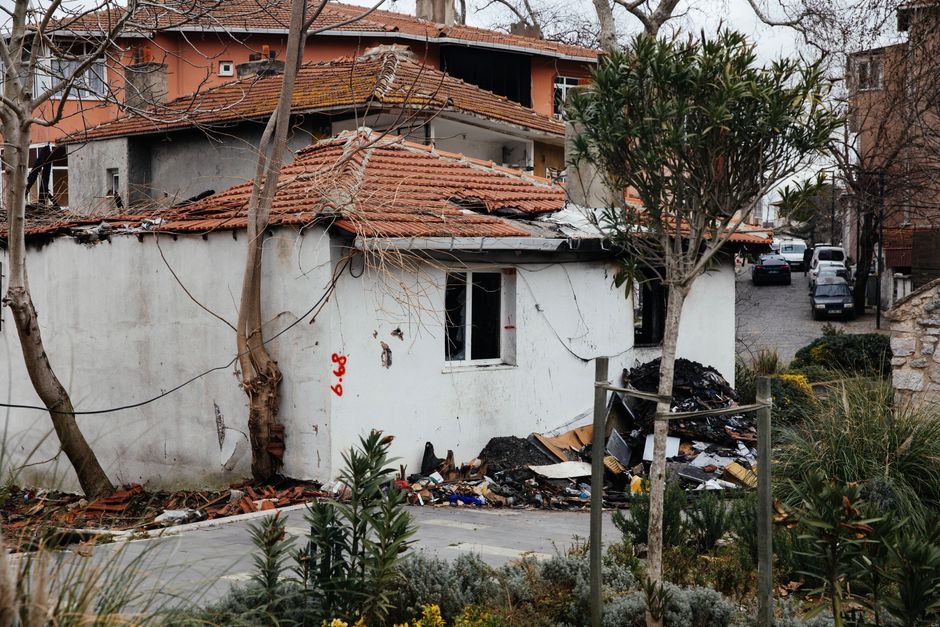
First, get a structural engineer to look at the foundation, framing, load-bearing walls, and roof structure. A structural engineer checks whether the house is physically sound, and their report tells you if there's a problem that would scare off buyers or justify a price cut. That inspection costs a few hundred dollars and can save you from a nasty surprise.
Second, compare an as-is sale with doing repairs first. An as-is sale attracts investors and flippers who expect a discount. Making some repairs—paint, flooring, a working furnace, and some landscaping—might get you a retail buyer and a higher price, but it takes time and cash you may not want to spend. Get two or three opinions from local real estate agents who know investor buyers. Ask them what the house would sell for as-is and what it would sell for fixed up. Then run the numbers.
The relief of a clean exit

A fellow landlord once told me, "A bad rental is like a boat with a slow leak. You can keep bailing, or you can swim to shore." That stuck. Selling at a loss is choosing to stop the monthly bleed. The relief of not getting late-night calls from a town three hours away is worth something real. You can take whatever equity you salvage, put it in a property closer to home or in a different investment, and sleep better. That's the whole point of being a landlord: income without constant pain.
I told him to list it. He sounded lighter before we hung up.