August 10, 2026 · Property Management
Does Standard Homeowners Insurance Cover Rental Property? I Learned the Hard Way
Standard homeowners insurance isn't designed for rental properties. Here’s what landlord insurance covers—and why I learned the hard way that skipping it can cost more than you save.

When I bought my first duplex, I did what felt logical: I called my insurance agent and said, "Hey, I just bought a two-family. Make sure I’m covered." She added a rider to my existing homeowners policy, and I thought I was set. Six months later, a tenant’s cooking mishap sent smoke through both units. The damage was minor, but the claim taught me a hard lesson: standard homeowners insurance and rental properties don’t mix.
I’m not an insurance agent, and I’m certainly not giving you legal advice here. But after three decades of managing properties, I can tell you this with confidence: if you rent out a home and you’re still carrying a standard homeowners policy, you need to fix that now. Here’s why, and what you should have instead.
What standard homeowners insurance actually covers
A typical homeowners policy is designed for owner-occupied homes. It covers the structure, your personal belongings, and personal liability if someone gets hurt on your property. The key assumption is that you live there full-time. That matters because insurers know owner-occupants tend to spot small problems (like a leaky pipe) before they become disasters. They also assume you’re not running a business from the home, which changes the risk profile.
When you rent the property to someone else, those assumptions break. You’re not there to notice a dripping faucet. Tenants may not care as much about maintenance. And from the insurance company’s perspective, running a rental is a business activity—one that carries different liability risks and property exposure. So a standard homeowners policy usually excludes, or at minimum grays out, any losses related to renting.
The gap you might not see until it’s too late

Here’s what many new landlords don’t realize: even a minor claim can be denied outright if the carrier discovers you weren’t living in the property. The adjuster will ask: "Is this your primary residence?" If you say no—or if they pull public records and see a different mailing address—your claim might be invalid. I’ve seen it happen. And it’s not just about fire claims. Liability is the bigger boogeyman. If a tenant’s guest trips on the front steps and sues, a standard homeowners policy may not defend you because you were operating a business—again, in the carrier’s eyes.
Beyond denial, there’s also a coverage gap. Homeowners insurance typically won’t cover loss of rental income. So if a fire forces your tenant to move out for three months while you rebuild, you’re stuck covering the mortgage with no rent coming in. That’s a gut punch that can drain a reserve fund fast.
What landlord insurance brings to the table
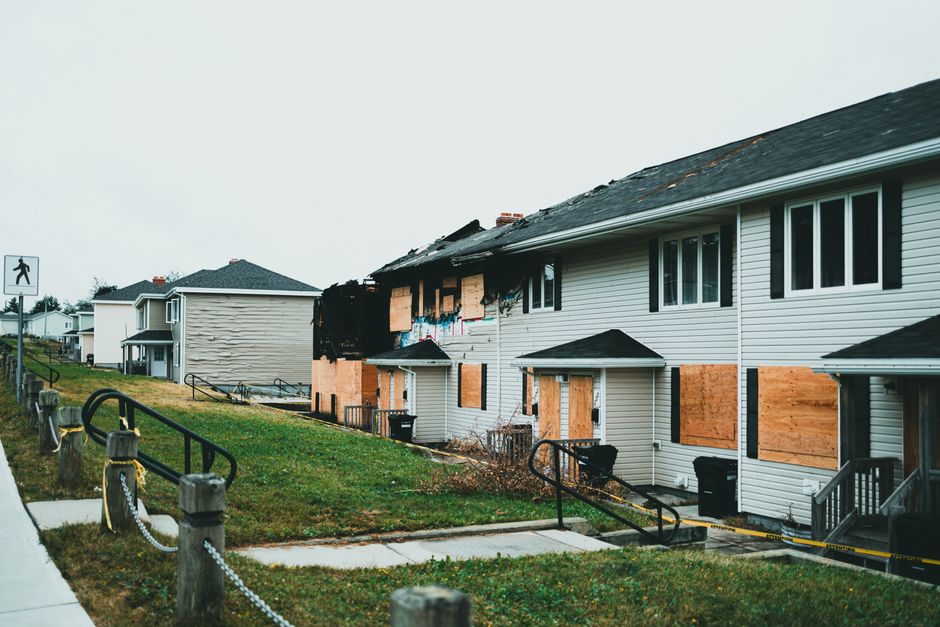
Landlord insurance (sometimes called dwelling fire insurance or rental property insurance) is built specifically for non-owner-occupied properties. It typically includes three core coverages:
- Dwelling coverage – protects the physical structure, much like a homeowners policy, but priced for the higher risk of a rental.
- Liability coverage – covers legal fees and damages if someone is injured on the property or you’re found liable for something like a stairway collapse.
- Loss of rents (or fair rental income) coverage – pays you the rent you would have collected while the property is uninhabitable due to a covered loss. This alone is worth switching for.
Many landlord policies also offer optional add-ons: vandalism coverage, building code upgrade coverage, or even equipment breakdown for things like HVAC systems. The exact menu varies by carrier, so you need to talk through your property’s specifics with an agent.
The moment I learned the hard way

That kitchen fire I mentioned earlier? The damage was contained to one cabinet and a bit of countertop. But the smoke smell lingered, and my downstairs tenant—who was also a renter—decided to move out rather than wait for repairs. That left me with two vacant units and a repair bill. My homeowners policy didn’t cover lost rent because, well, it wasn’t designed to. And the liability exposure from the tenant’s cooking mishap? I shudder to think what could have happened if someone had been hurt.
After that, I called a different agent—one who specialized in rental property—and we switched to a true landlord policy. It cost a few hundred dollars more a year, but the peace of mind was instant. Since then, I’ve always told new landlords: don’t try to save a couple hundred bucks by staying on the wrong policy. The risk isn’t worth it.
What I’d do if I were starting today
If you just bought—or are about to buy—your first rental, here’s my straightforward advice:
- Be upfront with your agent. Say, "I am not living there. I need insurance for a non-owner-occupied rental." Don’t let them just add an endorsement to your existing homeowners policy. Get a standalone landlord policy.
- Ask about loss of rents coverage. Make sure it’s for at least 12 months, because even a moderate fire repair can drag on for half a year.
- Consider an umbrella policy. Once you have a landlord policy, an umbrella gives you extra liability protection above the base limits. For the price of a couple of pizzas a month, it’s a no-brainer.
- Shop around. Not all carriers write landlord policies, and the ones that do may price differently for multi-unit, single-family, or short-term rentals. Use an independent agent who can quote multiple companies.
Again, I’m not an attorney or an insurance professional, so you should always verify your coverage with a licensed agent familiar with your local laws and your property’s specific risks. But in my experience, standard homeowners insurance on a rental is a ticking clock. Switch to landlord insurance before you need it. You’ll thank yourself the first time something goes wrong.