August 3, 2026 · Legal
Who Pays When the Washing Machine Breaks in a Furnished German Rental?
I'm not a lawyer, but here's what I learned managing properties: In Germany, large appliances in a furnished rental are the landlord's responsibility. A contract clause saying otherwise might not hold up.

When I first dipped my toes into renting out a furnished apartment in Germany, I thought I had it all figured out. I’d written a clear rental contract that said the tenant was responsible for the upkeep and replacement of all appliances—washing machine, fridge, stove, the works. Then the washing machine died, and my tenant pointed me to a section of the German Civil Code (BGB) I’d never paid much attention to. That’s when I learned that in a furnished rental, the rules are different, and a signed contract doesn’t always overrule the law.
The Furnished Rental in Germany
In Germany, a “furnished” apartment (möblierte Wohnung) isn’t just one with a sofa and a bed. It’s a specific legal category where the landlord provides the essential household items and furnishings (Einrichtungsgegenstände) needed for daily living. Big appliances like the oven, refrigerator, dishwasher, and washing machine are typically considered part of these furnishings. That’s important because it shifts the burden of maintenance and replacement away from the tenant in most standard cases.
What the Law Actually Says
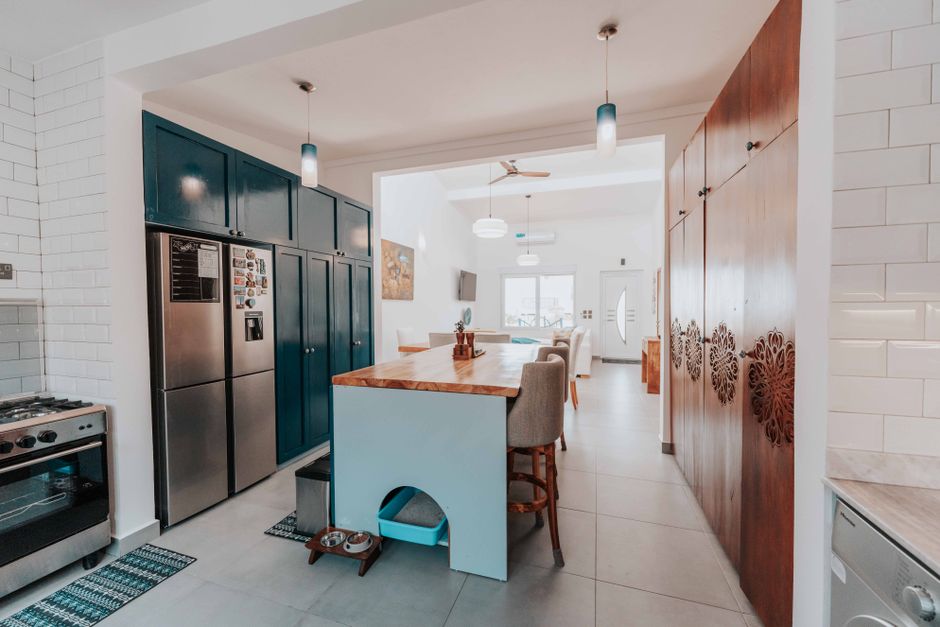
Under Sections 535 and 538 of the BGB, the landlord is generally responsible for maintaining the rental property in a condition fit for use. For an unfurnished apartment, that means the structure and fixtures—things like pipes and wiring. Appliances a tenant brings in are their own problem. But in a furnished rental, the law treats those large appliances almost like part of the building itself. The reasoning is simple: you provided them as part of the rental package, so you need to keep them working.
I’ve seen this trip up new landlords all the time. They assume that because the tenant signs a lease saying “tenant handles all appliance repairs,” they’ve shifted the risk. Legally, that clause may be void if it contradicts the statutory definition of a furnished rental. German courts tend to view such attempts as an unfair disadvantage to the tenant, especially if the clause was pre-formulated in a standard contract (which triggers the strict rules on general terms and conditions under Section 305 ff. BGB).
Why a Contract Clause Might Not Stick

Now, you might be thinking, “But we both signed it—surely that counts for something.” I get it. I used to think the same. However, German law heavily protects tenants from clauses that deviate from the core obligations of a landlord in a furnished rental. If the tenant took you to court, a judge could rule that the clause is ineffective because it undermines the very nature of the rental agreement you advertised and priced as furnished.
I’m not a lawyer and this isn’t legal advice—here’s what I would do, but check your local laws and talk to a qualified attorney first. The enforceability can depend on exactly how the clause is worded, whether the refrigerator or stove was explicitly listed as “leasehold” in the contract, and even the regional court’s interpretation. So while you might think you’re covered, the reality is often much murkier.
What I’d Do as a Landlord
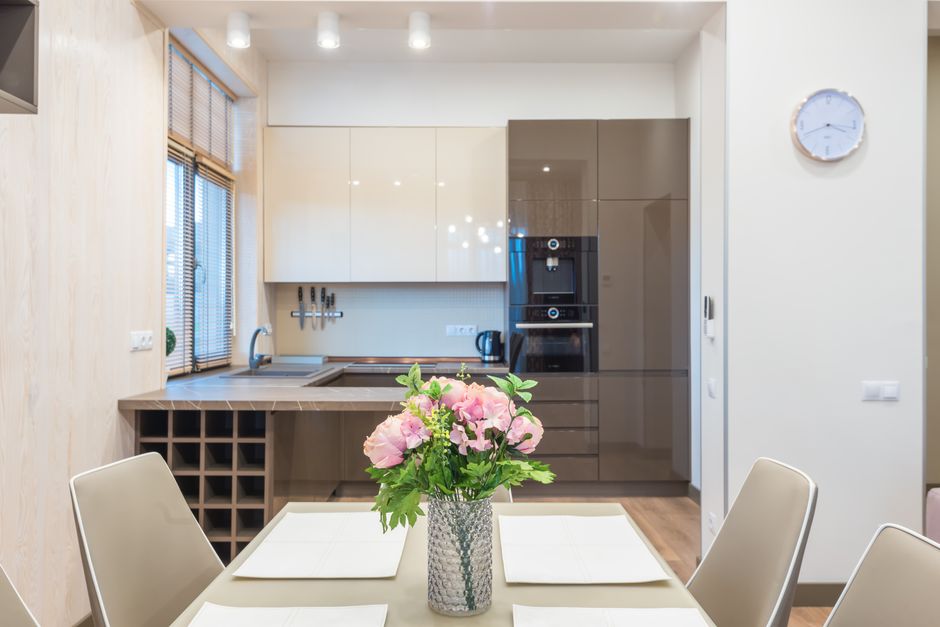
After that washing machine incident, I changed my approach completely. First, I got clear on what the law considered part of the furnishings versus a minor amenity. For example, a built-in kitchen is almost always on the landlord, while a standalone microwave the tenant could easily remove might be negotiable. Second, I started talking to a German tenancy lawyer (Mietrecht Anwalt) about any clause that seemed to shift core responsibilities. A quick review was far cheaper than a court battle.
I also built appliance replacement into my long-term budget. Furnished rentals often command higher rents, but part of that premium has to cover the eventual failure of the fridge or oven. I saw it as part of the deal, not a hidden trap.
The Bottom Line
If you’re renting out a furnished apartment in Germany, don’t assume a contract clause puts the appliance burden on your tenant. The law likely sees those large appliances as your problem, no matter what was signed. The smart play? Assume you’re responsible, factor that into your numbers, and get any creative clauses reviewed by a local expert. It’ll save you a headache and maybe a lot of money.